Hair Transplantation & Restoration: Every Option Compared (2026)
Talk to our team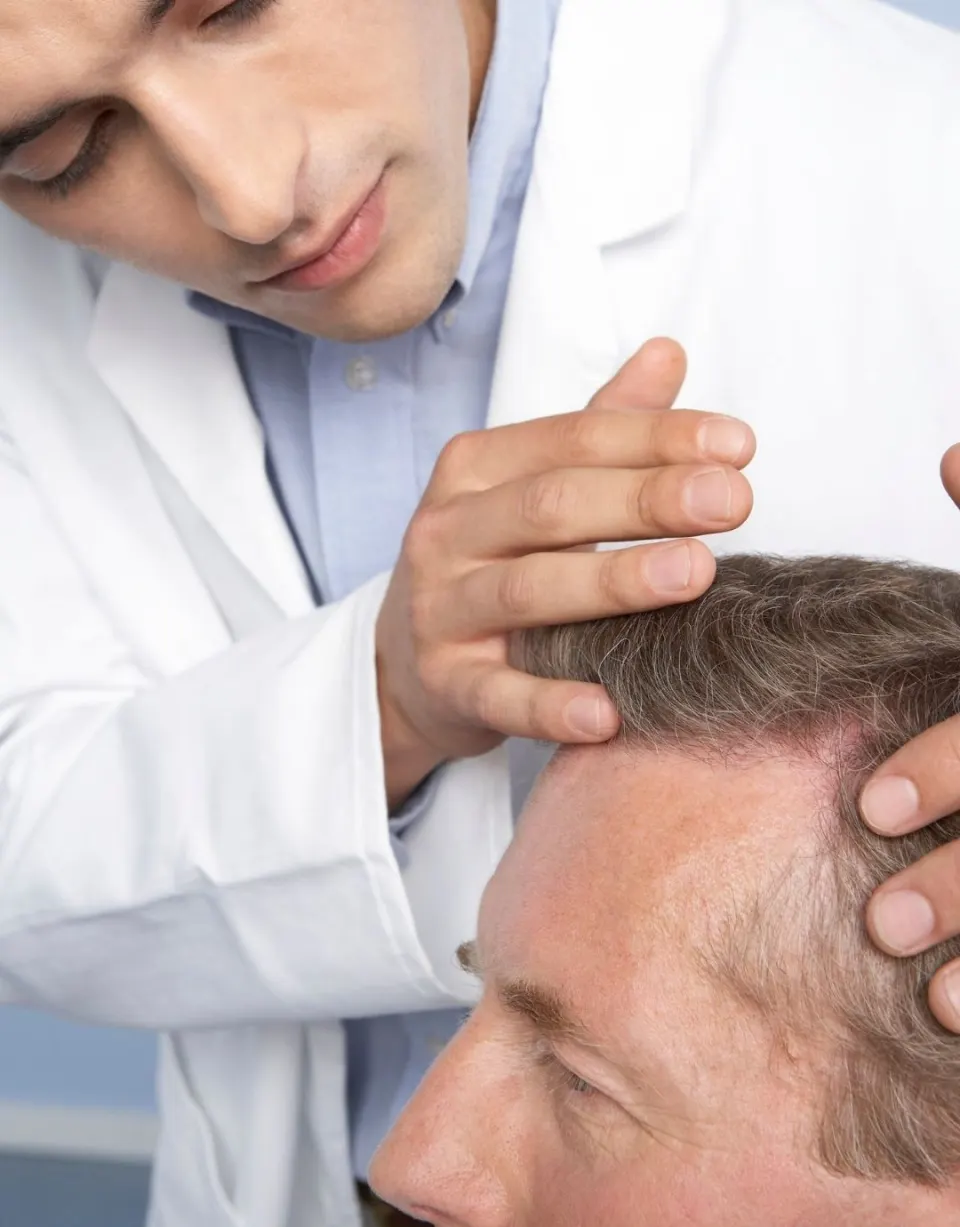
In this article 10 sections
Hair loss has more solutions today than ever before — but that's exactly what makes choosing hard. A hair transplant delivers long-lasting, natural hair; medications maintain what you have; PRP and laser support your follicles; and scalp micropigmentation creates the look of density without growing a single hair. Which is right depends entirely on your stage of loss and what you actually want. This complete guide explains every option, compares them honestly, and links you to the detailed guide for whichever path fits you.
2. All hair restoration options compared
3. Hair transplant surgery (FUE, DHI, robotic)
4. Non-surgical options (medication, PRP, LLLT, SMP)
5. Which option fits your stage of loss
6. Beyond the scalp: beard, eyebrows, women
7. Are you a candidate?
8. How to choose & next steps
First question: do you want to regrow, maintain, or simulate?
Every hair restoration method falls into one of three honest categories — and knowing which you need cuts through most of the confusion:
- Regrow / maintain (biological): minoxidil, finasteride, PRP, low-level laser therapy (LLLT) and microneedling stimulate or preserve living follicles. They need viable follicles to work — they can't bring back a fully bald area.
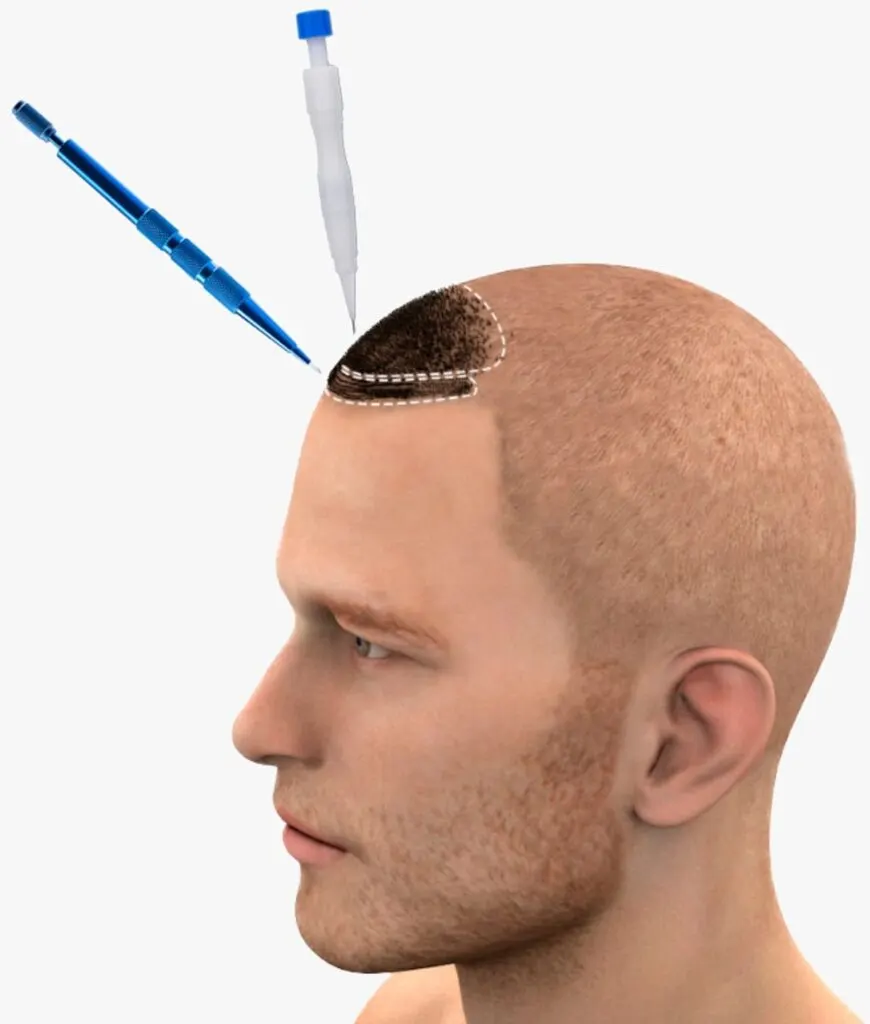
- Restore with surgery: a hair transplant physically moves your own DHT-resistant follicles into bald or thinning areas. It's the only option that creates real, growing hair where none remains.
- Simulate (appearance-only): scalp micropigmentation (SMP) tattoos the look of density or a shaved-head stubble — no biological regrowth, but immediate and effective, including at advanced baldness.
Most people over-focus on one product when the real question is which category matches their situation. The comparison below maps it out.
All hair restoration options compared
| Option | What it does | Time to see | Best for |
|---|---|---|---|
| Hair transplant (FUE/DHI) | Permanent real hair in bald/thin areas | 6–12 months | Defined bald areas, receded hairline |
| Minoxidil | Extends growth phase, slows miniaturization | 3–6 months | Early thinning, maintenance (men & women) |
| Finasteride | Blocks DHT, preserves/regrows some hair | 6–12 months | Male pattern loss (men only) |
| PRP therapy | Growth factors support follicle health | ~3 months | Early-stage thinning, transplant adjunct |
| Low-level laser (LLLT) | Light stimulates follicle activity | 3–6 months | Mild-moderate loss, alongside medication |
| Scalp micropigmentation (SMP) | Tattooed illusion of density/stubble | Immediate | Any stage, scars, depleted donor |
The 2026 gold standard is combination therapy: for many patients the best results come from stabilising loss with medication, adding PRP, and — for advanced or defined bald areas — a hair transplant, which is the only option that restores real hair where follicles are gone.
Hair transplant surgery: FUE, DHI & robotic
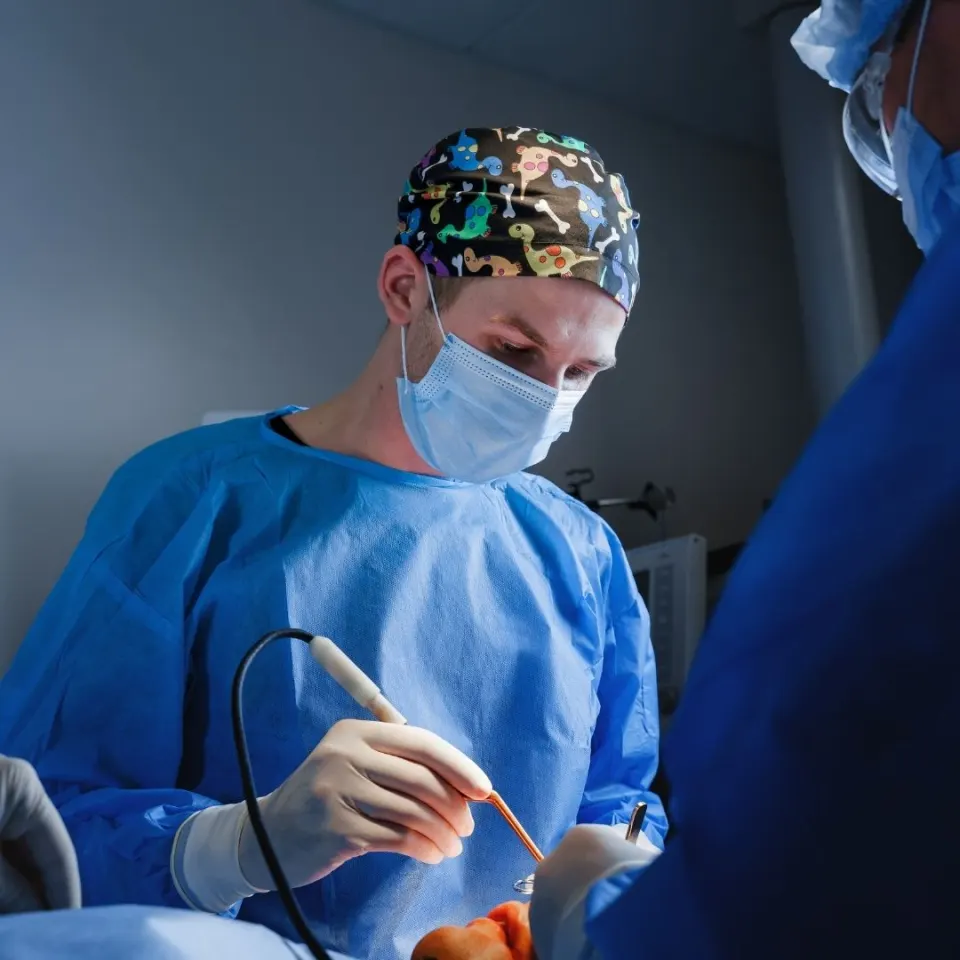
A hair transplant harvests healthy follicles from a donor area (usually the back and sides of the scalp, which are genetically resistant to balding) and implants them where hair is thin or lost. Because those follicles keep their DHT-resistant nature, the result is generally long-lasting. The main techniques:
- FUE (Follicular Unit Extraction): individual follicles are extracted and implanted — no linear scar, quick recovery. The modern standard for most patients. Sapphire FUE refines it with sapphire blades for smaller channels.
- DHI (Direct Hair Implantation): a Choi implanter pen extracts and implants in one step, giving precise control over angle, depth and direction — ideal for the hairline and implanting among existing hair without full shaving.
- Robotic hair transplant: robotic assistance adds precision to follicle harvesting and placement, reducing human error.
Not sure which technique suits you? See our DHI vs FUE guides, or the full hair transplant cost & procedure guide.
Non-surgical options in detail
These work best in the earlier stages, or alongside a transplant — not as a replacement for one when follicles are already gone:
- Minoxidil: topical or oral; extends the hair growth phase. Works while you use it — stopping reverses the gains. Suitable for men and women.
- Finasteride: blocks DHT, the hormone driving male pattern loss. Effective for maintenance and some regrowth, but for men only, and worth discussing side effects (libido, and a 2025 note on mood) with a doctor.
- PRP (platelet-rich plasma): your own blood platelets, concentrated and injected to deliver growth factors — often used to support a transplant and enhance graft survival.
- Low-level laser therapy: combs, caps or helmets that stimulate follicles — usually an adjunct to medication rather than a standalone fix.
- Scalp micropigmentation: the fastest visible result, camouflaging thinning, scars or creating a shaved-head look — and the one option with no Norwood-stage limit.
Which option fits your stage of loss
| Stage of loss | Typically best approach |
|---|---|
| Early thinning (follicles alive) | Medication (minoxidil/finasteride) ± PRP, LLLT — preserve & regrow |
| Defined bald areas / receded hairline | Hair transplant, often with medication to protect remaining hair |
| Advanced loss (limited donor) | Transplant if donor allows + SMP; SMP alone if not |
| Complete baldness (follicles gone) | SMP for a shaved-head look; transplant only if donor is sufficient |
The key distinction: biological treatments need living follicles, so they help early loss and maintenance — but once an area is truly bald, only a transplant (real hair) or SMP (the look of hair) will change it. A scalp analysis by a specialist tells you exactly where you stand.
Beyond the scalp: beard, eyebrows & women
Hair restoration isn't only about the top of the head:
- Beard & mustache transplant: fills patchy or thin facial hair with long-lasting results — see the beard transplant procedure and cost.
- Eyebrow transplant: restores thin or over-plucked brows with single-hair grafts.
- Hair transplant for women: women experience pattern loss too (Ludwig scale), and DHI is especially suitable as it avoids full shaving — see hair loss in women: causes & treatments.
Are you a candidate for a hair transplant?
Good candidates generally have sufficient healthy donor hair at the back and sides, are in good general health, and have realistic expectations. Less suitable are those with very widespread baldness and too little donor supply, temporary hair loss from medication or chemotherapy (which often reverses on its own), or loss from conditions like alopecia areata or trichotillomania, where hair may fall again. Understanding the type of your hair loss and its cause is the first step — a specialist assessment confirms candidacy.
How to choose — and your next step
The honest summary: match the method to your stage and your goal. Use medication and PRP early to keep what you have; choose a transplant for long-term restoration of bald or receded areas; consider SMP for immediate camouflage or when donor supply is limited; and remember that combining approaches often gives the best long-term result. Whatever the path, the single biggest factor in a good outcome is an honest, experienced specialist who assesses your scalp rather than promising a result before seeing it.
Not sure which option is right for you? Send photos for an honest assessment
Free Consultation → WhatsApp Us →Hair Transplantation & Restoration — FAQs
What is the most effective hair restoration option?
It depends on your stage. For defined bald or receded areas, a hair transplant is the most effective and the only long-term real-hair solution. For early thinning, medication (minoxidil/finasteride) with PRP works best. Many people get the strongest results by combining approaches.
Do hair transplants work?
Yes. Transplanted follicles come from a DHT-resistant donor area and generally keep growing long-term. Success depends on an experienced surgeon, your donor supply and realistic expectations. Most people see the bulk of new growth by 6–12 months.
Can I avoid surgery and just use medication?
If your follicles are still alive (early thinning), medication and PRP may maintain and partially regrow hair — but they can't restore a fully bald area, and stopping medication reverses the gains. Once follicles are gone, only a transplant (real hair) or SMP (the look of hair) will help.
What's the difference between FUE and DHI?
Both are follicle-by-follicle methods. FUE creates channels then implants; DHI implants directly with a Choi pen for more control over angle and density and without full shaving. Neither is universally "better" — it depends on your case.
Is hair restoration only for men?
No. Women experience pattern hair loss too and can benefit from transplants (DHI is especially suitable) and from medication like minoxidil. The assessment differs, focusing on donor density and the pattern of loss.
How long do results last?
Transplant results are generally long-lasting, as the moved follicles keep their DHT-resistant nature. However, your original (non-transplanted) hair can continue to thin with age, so some people add medication or a later top-up session.
The Last Word from The More Clinics
There's no single "best" hair restoration — there's the best option for your stage of loss and your goal. Biological treatments preserve and regrow living follicles; a transplant restores bald areas with your own hair for the long term; SMP simulates density instantly. The smartest plans often combine them, and the one constant is starting with an honest specialist assessment rather than a one-size-fits-all promise.
Send us a few photos of your scalp for a free, honest evaluation — we'll tell you which option (or combination) genuinely fits your case, with no pressure.
Get a Free Consultation → WhatsApp Us →
Explore: FUE · DHI · Cost & procedure · Beard transplant · Eyebrow transplant · For women · Recovery · Before & after · Gone wrong · Repair
 Medically Reviewed by Dr. Seda Erdoğan, specialist in Hair Transplants and Dermatology. See Editorial Process. Last Updated: [22 August 2026]
Medical disclaimer: This guide is for informational purposes only and does not replace a personal consultation. The right hair restoration option depends on individual assessment of your hair loss stage, donor supply and health. Medications have potential side effects that should be discussed with a doctor. Consult a qualified specialist before making any treatment decision.
This article provides general information and does not replace an individual medical assessment, diagnosis or treatment advice. Discuss decisions about your health and treatment with your treating clinician.