Hair Transplant Recovery & Aftercare: The Complete Timeline
Talk to our team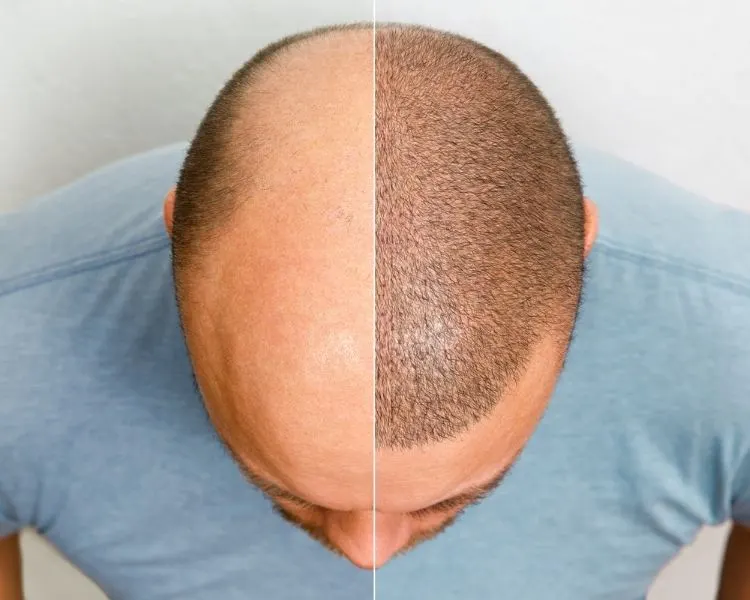
In this article 5 sections
A hair transplant doesn't end when you leave the clinic — in many ways, that's where the most important part begins. How well you recover, and how closely you follow aftercare, has a real effect on how many grafts survive and how good your final result looks.
The good news is that recovery follows a predictable pattern, and once you know what to expect at each stage — including the moment your new hair falls out and why that's completely normal — the whole journey becomes far less stressful. Here's your complete, stage-by-stage guide.

The big picture: the scalp heals visibly within about 7–14 days, transplanted hairs shed ("shock loss") around weeks 2–8, new growth starts at months 3–4, and you see your fuller result by around 9–12 months (the crown can take a little longer). Patience and good aftercare are everything.
Your hair transplant recovery timeline, stage by stage
Whether you had FUE, Sapphire FUE or DHI, healing follows a similar biological pattern. Here's what happens and when:
0–2
3–7
10–14
2–8
3–4
9–12
Aftercare: the do's and don'ts
- Sleep with your head elevated for the first nights
- Wash gently, exactly as your clinic instructs
- Let scabs fall off naturally during washing
- Take prescribed medication as directed
- Protect your scalp from the sun
- Stay in touch with your clinic for check-ups
- Pick or scratch at scabs (it can dislodge grafts)
- Expose your scalp to direct sun or heavy sweating
- Do strenuous exercise too early
- Smoke or drink alcohol (both harm healing and graft survival)
- Wear tight hats without clinic approval
- Panic when the transplanted hair sheds
Why aftercare and ongoing support matter so much
Here's something that doesn't get said enough: the surgery is only half the story. How well your grafts survive — and how good your result looks a year later — depends heavily on the aftercare you follow in the weeks and months afterwards, and on having a clinic that actually supports you through it.
Good clinics don't disappear once you've paid; they provide clear washing and medication instructions, follow-up check-ups (often virtually, which is ideal if you've travelled), and someone to reassure you when shock loss hits and you're convinced something's gone wrong.
Many clinics also offer extras that support healing and growth. These often include an aftercare kit (specialist shampoo, lotion or spray for the delicate early weeks), PRP sessions, and — usually for an additional fee — 6-month or 12-month vitamin and supplement packages designed to support hair health during the growth phase. Some surgeons also recommend products like minoxidil as part of the plan.
None of these are magic, and you shouldn't feel pressured into them, but the point is this: the quality and length of the support on offer is a genuine sign of how seriously a clinic takes your result. When you're comparing clinics, ask exactly what aftercare and follow-up is included — it matters more than most people realise.
Hair Transplant Recovery & Aftercare — Frequently Asked Questions
How long does hair transplant recovery take?
The scalp heals visibly in about 7–14 days, and most people return to desk work within a week to ten days. The full result develops over 9–12 months (the crown up to 12–18 months) — healing the surface is quick, but growing your final hair takes patience.
When can I wash my hair after a transplant?
Your clinic will tell you exactly when to start (usually within the first few days) and how. Wash gently as instructed, let scabs loosen naturally, and never rub or pick.
Is shock loss normal?
Yes — completely. Between weeks 2 and 8, the transplanted hairs shed while the follicles rest before growing permanent hair. It's expected and a sign the process is working. The follicles are not lost.
When will I see the final result?
New growth begins around months 3–4, becomes noticeable by month 6, and reaches full density by 9–12 months, with the crown sometimes taking 12–18 months.
What should I avoid during recovery?
Picking scabs, direct sun, heavy sweating and strenuous exercise, smoking and alcohol, and tight hats without approval — all in the early weeks. Follow your clinic's specific instructions.
Do I need an aftercare kit or vitamin packages?
They're optional. Aftercare kits (specialist shampoos/sprays) help protect the scalp early on, and some clinics offer 6- or 12-month vitamin/supplement packages for an extra fee to support the growth phase. They're helpful but not magic — and you shouldn't feel pressured. What matters most is that your clinic provides proper follow-up support.
Does the clinic keep supporting me after I go home?
A good one does. Look for clear aftercare instructions, follow-up check-ups (often virtual), and someone to reach when you have questions — especially important if you've travelled for your procedure.
The Last Word from The More Clinics
Hair transplant recovery is a marathon, not a sprint — the surface heals in a couple of weeks, but your real result unfolds over the following year. The two things that make the biggest difference are following your aftercare properly and choosing a clinic that supports you the whole way, not just on surgery day. If you're planning a transplant, or you're mid-recovery and worried about shedding, we're happy to talk you through what to expect — honestly and without pressure.
Hair Transplant → WhatsApp Us →
Related: Hair transplant · Hair transplant side effects
Medical disclaimer: This guide is for general information only and does not replace your surgeon's specific aftercare instructions. Always follow the advice given by your own surgical team, and contact them if you have concerns during recovery. Individual healing varies.
SOURCES:
An international expert consensus statement focusing on pre and post hair transplantation care, Journal of Dermatological Treatment
Hair Loss, Mayo Clinic
Hair Transplant, Cleveland Clinic
HOW THE MORE CLINICS KEEP THE CONTENT UP TO DATE:
Our dedicated medical and editorial teams work tirelessly to stay informed about the ever-evolving world of health news. By rigorously tracking the latest research, clinical guidelines, and significant developments across various medical fields, they ensure that our content remains accurate, relevant, and up-to-date.
This includes reviewing peer-reviewed studies, consulting with healthcare professionals, and monitoring advancements in medical technology. Their meticulous efforts and attention to detail allow us to provide you with trustworthy, reliable information that you can depend on to make informed decisions about your health and well-being.
However, we still insist on getting a healthcare professional's opinion before you make any decision about your health. Consulting with a qualified expert ensures that the choices you make are informed, safe, and tailored to your individual needs.
Last Updated: [31 August 2026]
Written by The More Editorial Team and Medically Reviewed by Dr. Seda Erdoğan, specialist in Dermatology and Hair Transplantation. See our Editorial Process.
This article provides general information and does not replace an individual medical assessment, diagnosis or treatment advice. Discuss decisions about your health and treatment with your treating clinician.