Types of Dental Crowns and Cost: Complete 2026 Guide
Talk to our team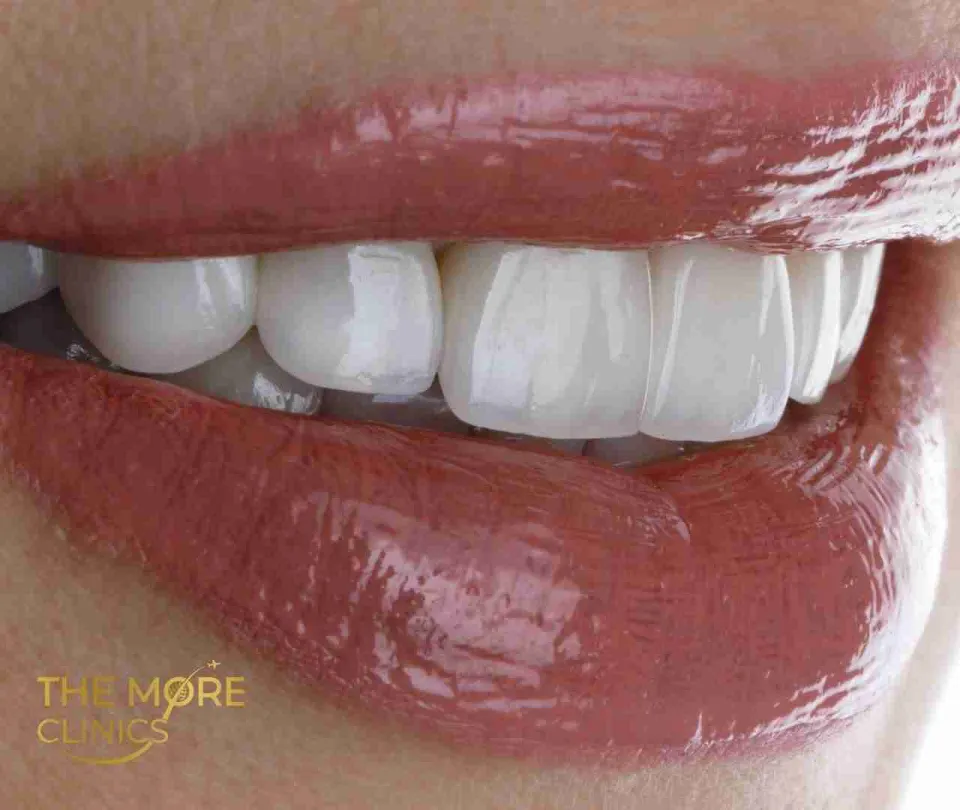
In this article 17 sections
Dental crowns come in seven main types — each with different cost, strength, aesthetics and ideal use cases. The type of crown that is right for you depends on which tooth is being crowned, your budget, and whether appearance or durability is the higher priority. This guide covers every crown type with honest pros, cons and real 2026 prices across the USA, UK, Canada and Turkey.
For Antalya-specific pricing and the full procedure guide: Dental Crowns Antalya Cost & Guide 2026 →
| Zirconia | $800–$2,000 USA | £500–£1,000 UK | Turkey from $190 |
| E-Max ceramic | $1,000–$2,500 USA | £600–£1,200 UK | Turkey from $240 |
| PFM (porcelain-fused-to-metal) | $600–$1,500 USA | £400–£900 UK | Turkey from $130 |
| All-ceramic / porcelain | $1,000–$2,500 USA | £500–£1,200 UK | Turkey from $320 |
| Gold | $900–$2,500 USA | £800–£2,000 UK | Turkey from $260 |
| Cheapest crown overall | PFM — lowest material cost, still durable |
Types of dental crowns — full breakdown
1. Zirconia crowns
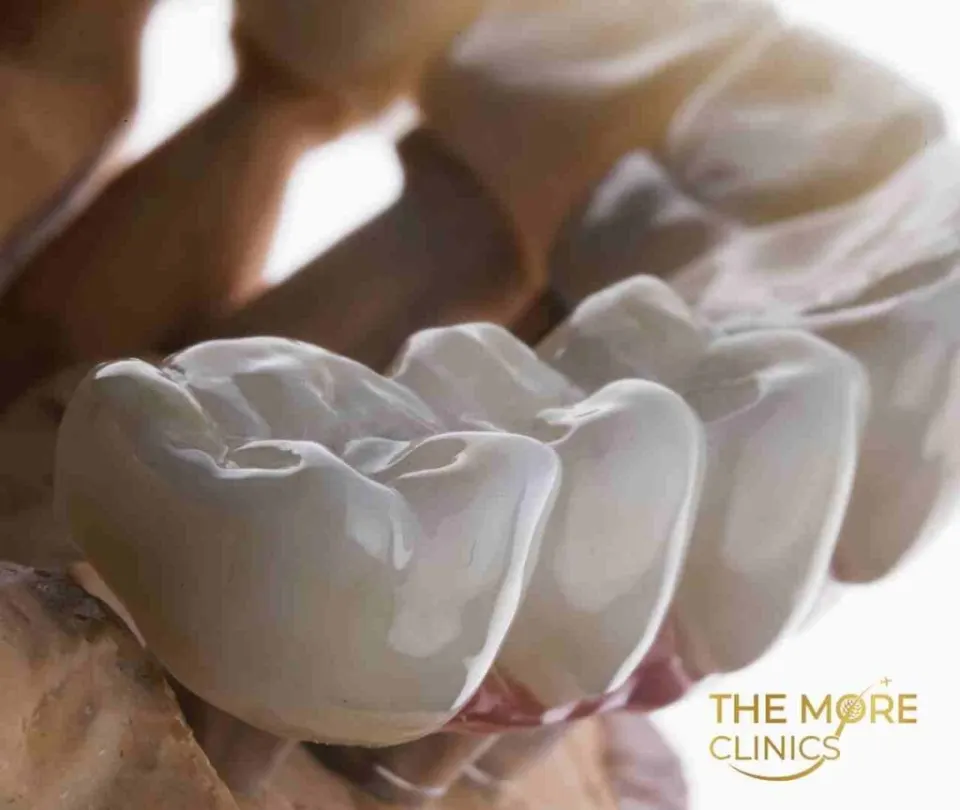
Zirconia crowns are the most commonly placed crown type at modern dental clinics worldwide in 2026. Milled from a solid block of zirconium dioxide using CAD/CAM technology, they combine exceptional strength (comparable to metal) with a white, tooth-coloured appearance. Suitable for both front and back teeth.
| Pros | Cons |
|---|---|
| Exceptional strength — resists chipping | Standard monolithic: less translucent than E-Max |
| Front and back teeth — versatile | Can cause more wear on opposing natural teeth |
| 15–25 year lifespan | Requires slightly more tooth reduction than PFM |
Zirconia types: Monolithic (solid block, strongest, less translucent — ideal for back teeth) | Layered (zirconia core + porcelain layer — better aesthetics, can chip at porcelain) | High-translucency (HT/Ultra-T — bridges both — best all-round front tooth option).
2. E-Max crowns (lithium disilicate)
E-Max crowns are crafted from a single block of lithium disilicate glass-ceramic by Ivoclar. They produce the most natural-looking result of any crown material — their translucency and light-scattering properties mimic natural enamel better than any alternative. The gold standard for front tooth crown aesthetics.
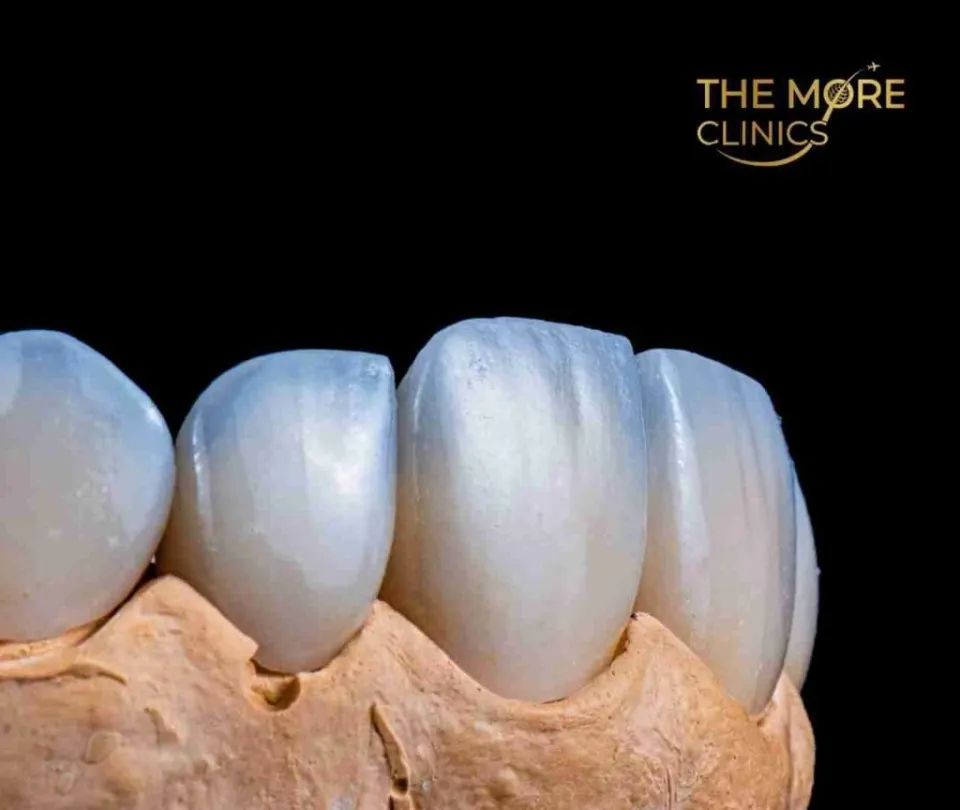
| Pros | Cons |
|---|---|
| Best aesthetics — natural translucency | Not recommended for heavy-force molar positions in bruxists |
| Metal-free — biocompatible | Higher cost than PFM or standard zirconia |
| 15–20 year lifespan | Less fracture-resistant than monolithic zirconia |
3. PFM crowns (porcelain-fused-to-metal)
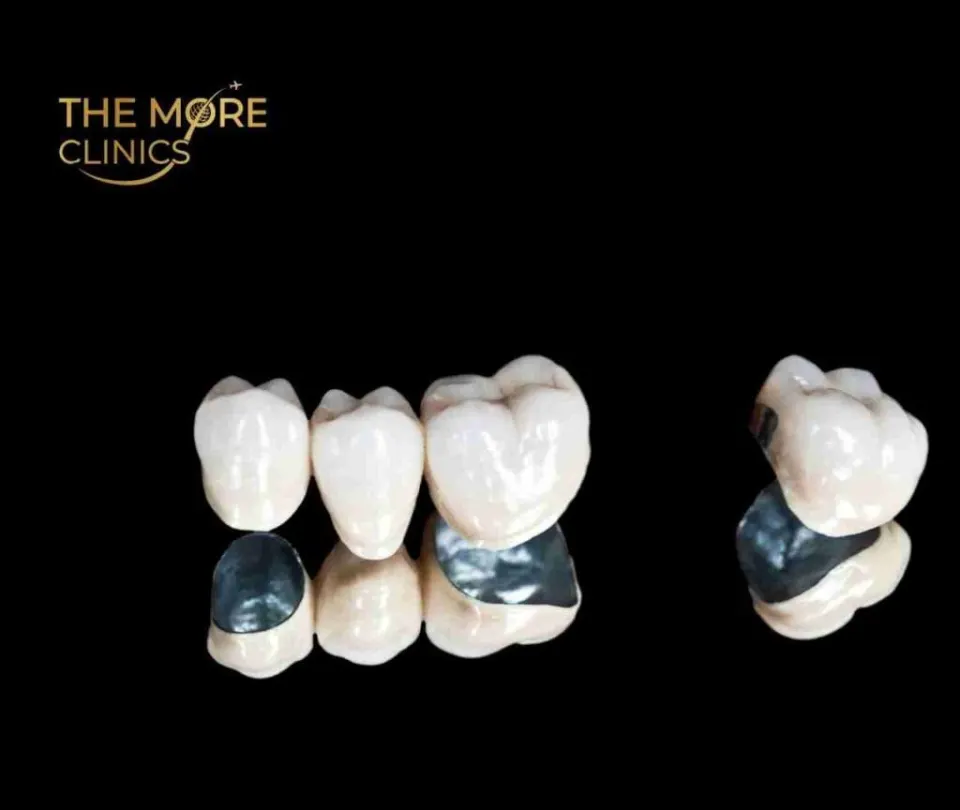
PFM crowns have a metal substructure (base metal alloy or gold alloy) with a porcelain layer fused on top. They were the standard crown type for decades and remain widely used — especially for back teeth where the grey margin line is less visible and cost is a primary concern.
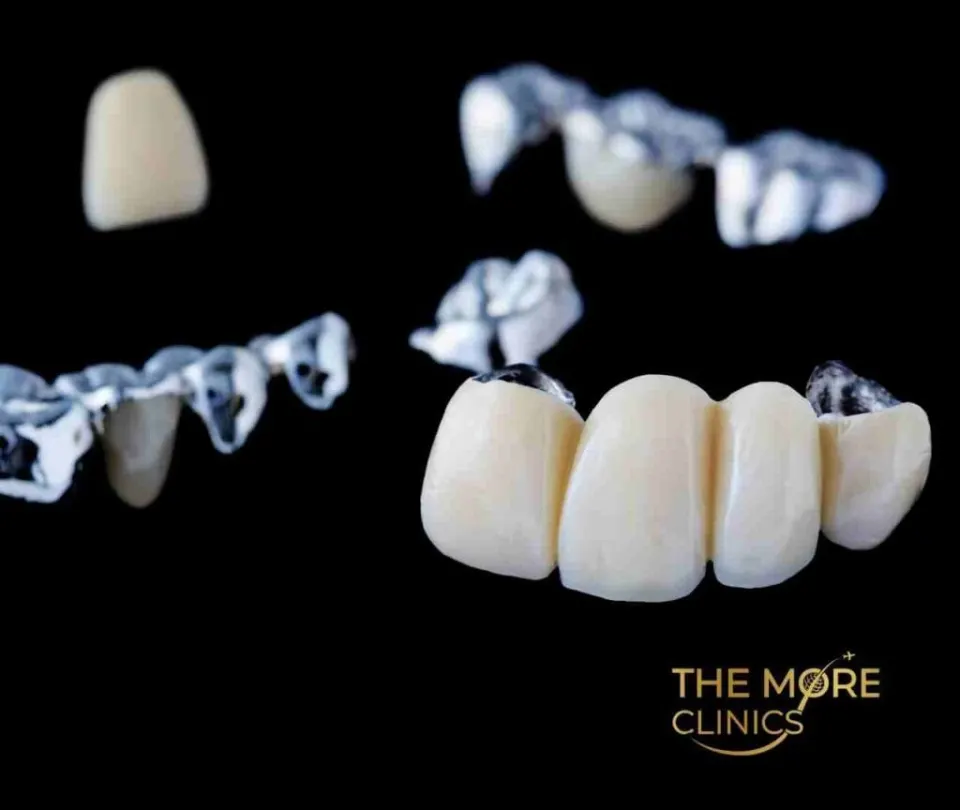
| Pros | Cons |
|---|---|
| Strong and durable — 10–15 year lifespan | Grey metal margin visible at gum line over time |
| Lower cost than full-ceramic options | Porcelain layer can chip |
| Front and back teeth | Not metal-free — unsuitable for metal allergies |
4. All-ceramic / porcelain crowns
All-ceramic crowns without a zirconia or lithium disilicate core (traditional feldspathic porcelain) were the original metal-free option. Today they are largely superseded by E-Max and high-translucency zirconia at most reputable clinics — both are stronger and more predictable. If a clinic proposes "all-porcelain" or "all-ceramic" without specifying the ceramic system, ask which material specifically.
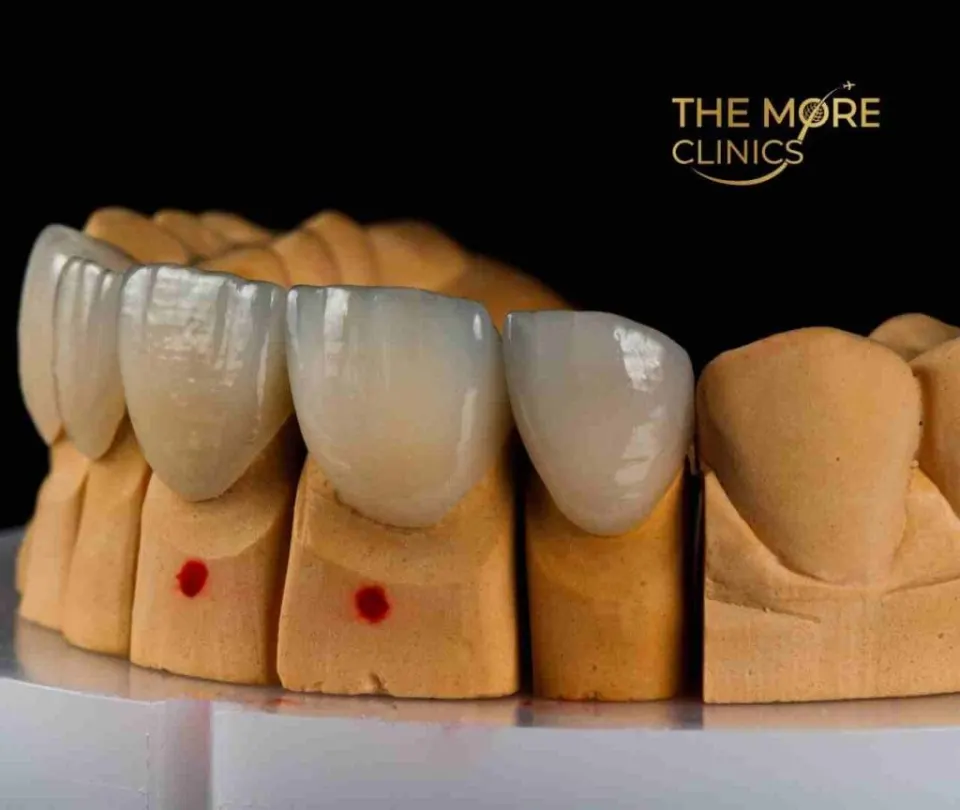
| Pros | Cons |
|---|---|
| Metal-free, natural appearance | Weaker than E-Max or zirconia |
| Good for front tooth crowning | Largely replaced by better-performing ceramics |
5. Gold crowns
Gold crowns (gold alloy) have been used in dentistry for over a century. They are the most biocompatible and durable crown material available — gold is gentle on opposing teeth and virtually never causes allergic reactions. The limitation is aesthetic: gold is visible and unsuitable for front tooth crown in most patients.
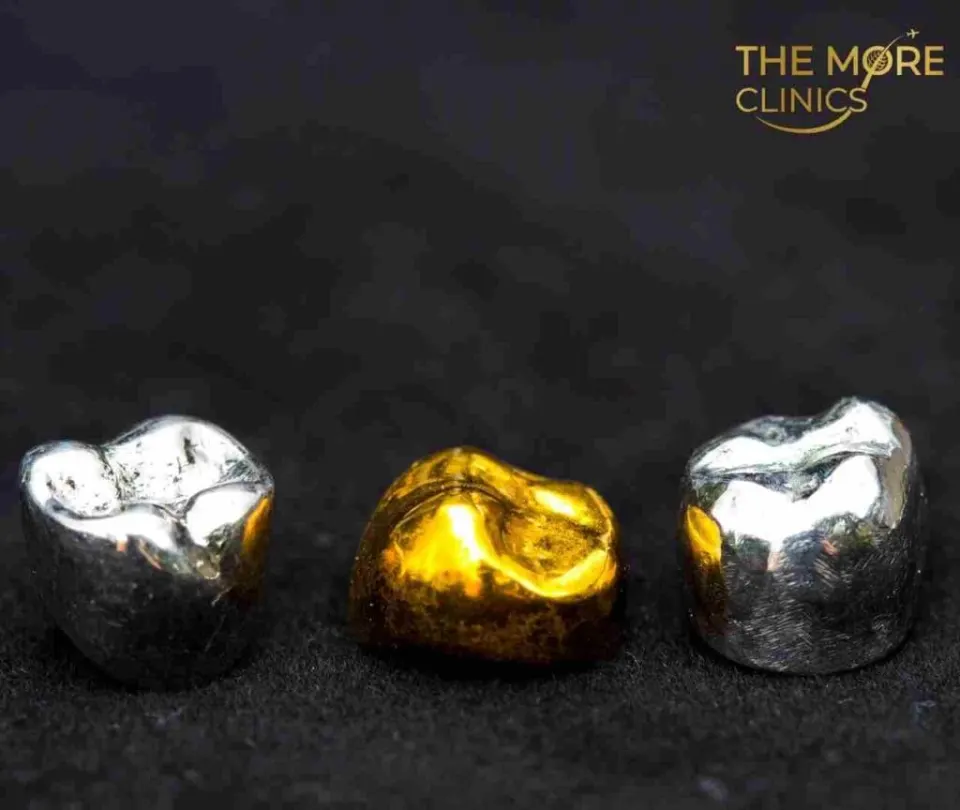
| Pros | Cons |
|---|---|
| 20–30+ year lifespan — most durable | Visible — not suitable for front teeth |
| Gentlest on opposing teeth | Higher cost due to gold price |
| Minimal tooth reduction needed | Some patients object to appearance |
6. Metal crowns
Metal crowns made from base metal alloys (nickel-chromium, cobalt-chromium) are the most affordable durable option — stronger than PFM, no porcelain to chip, decades-long lifespan. Used primarily for molars where they are not visible. Less common now that zirconia offers comparable strength at better aesthetics.
7. Temporary crowns
Temporary crowns (acrylic or composite) protect a prepared tooth while the permanent crown is fabricated in the laboratory — typically 3–10 days. They are not designed for long-term use: fragile, not colour-matched precisely, and must be replaced with the permanent crown. For detail: Temporary Dental Crowns Guide →
Types of dental crowns and cost — full comparison table 2026
All prices are approximate per tooth. USA and Canada figures are pre-insurance. Turkey figures are all-inclusive (crown, fitting, temporary crown, aftercare pack).
| Crown type | 🇺🇸 USA | 🇬🇧 UK | 🇨🇦 Canada | 🇩🇪 Germany | 🇹🇷 Turkey | Lifespan |
|---|---|---|---|---|---|---|
| Zirconia | $800–$2,000 | £500–£1,000 | CAD 1,000–2,000 | €600–€1,200 | $150–$240 | 15–25 yrs |
| E-Max ceramic | $1,000–$2,500 | £600–£1,200 | CAD 1,200–2,500 | €700–€1,500 | $190–$340 | 15–20 yrs |
| PFM | $600–$1,500 | £400–£900 | CAD 850–1,800 | €500–€1,000 | $100–$150 | 10–15 yrs |
| All-ceramic / porcelain | $1,000–$2,500 | £500–£1,200 | CAD 1,000–2,500 | €600–€1,500 | $250–$430 | 10–15 yrs |
| Gold | $900–$2,500 | £800–£2,000 | CAD 1,500–3,000 | €800–€2,000 | $200–$430 | 20–30+ yrs |
| Metal (base alloy) | $500–$1,200 | £300–£800 | CAD 700–1,500 | €400–€900 | $80–$130 | 15–25 yrs |
Zirconia crown vs porcelain — which is better?
This is the most common comparison question — and the answer depends on which tooth and which priority.
| Factor | Zirconia | Porcelain (E-Max) |
|---|---|---|
| Strength | ★★★★★ | ★★★★ |
| Natural appearance | ★★★★ | ★★★★★ |
| Translucency | Good (HT) to moderate | Excellent |
| Best for | Back teeth, grinding, full arch | Front teeth, aesthetic priority |
| Lifespan | 15–25 years | 15–20 years |
| Turkey cost | $150–$240 | $190–$340 |
| USA cost | $800–$2,000 | $1,000–$2,500 |
The verdict: For back teeth — zirconia. For front teeth where natural appearance is the priority — E-Max. High-translucency zirconia now bridges the gap for cases where both strength and aesthetics matter. For the full Antalya comparison: Dental Crowns Antalya Guide →
Best crown for front teeth
Front tooth crown selection is primarily an aesthetic decision. The crown must match the translucency, shade and shape of your natural adjacent teeth — and the grey metal margin of PFM crowns becomes visible as gums naturally recede over time.
Best options for front tooth crown:
- E-Max (lithium disilicate) — gold standard for front tooth aesthetics. Highest translucency, best shade-matching, 15–20 year lifespan. Turkey: $190–$340 per tooth.
- High-translucency zirconia — slightly stronger than E-Max, still excellent aesthetics. Preferred when durability is also a concern. Turkey: $190–$280 per tooth.
- Avoid PFM for front teeth — grey margin line becomes visible over time as gums recede. Not recommended as a long-term front tooth solution.
For before and after photos of front tooth crown restorations: Dental Crowns Before & After Gallery →
Best crown for back teeth (molars)
Back tooth crown selection is primarily a strength decision. Back molars bear the highest bite forces in the mouth — up to 250 lbs per square inch in some patients — and require a crown that can handle sustained chewing without fracturing.
Best options for back teeth:
- Monolithic zirconia — highest strength, no porcelain layer to chip. The standard recommendation for molars at most modern clinics. Turkey: $150–$220 per tooth.
- Gold — the original molar crown material. Lasts 20–30+ years, gentle on opposing teeth, requires minimal tooth reduction. Ideal for patients who grind heavily. Turkey: $200–$430 per tooth.
- PFM — strong and affordable but porcelain layer can chip over time under heavy force. Still a reasonable molar option where budget is the primary concern.
What affects dental crown cost?
| Factor | Lower cost | Higher cost |
|---|---|---|
| Crown material | PFM or metal | E-Max, gold, premium zirconia |
| Lab (in-house vs external) | CAD/CAM in-clinic | External specialist lab |
| Additional treatment | Crown only | Root canal + post before crown |
| Country | Turkey, Eastern Europe | USA, Canada, Switzerland |
| Tooth position | Back molar (zirconia or PFM) | Front tooth (E-Max, shade matching) |
Dental crown before and after results
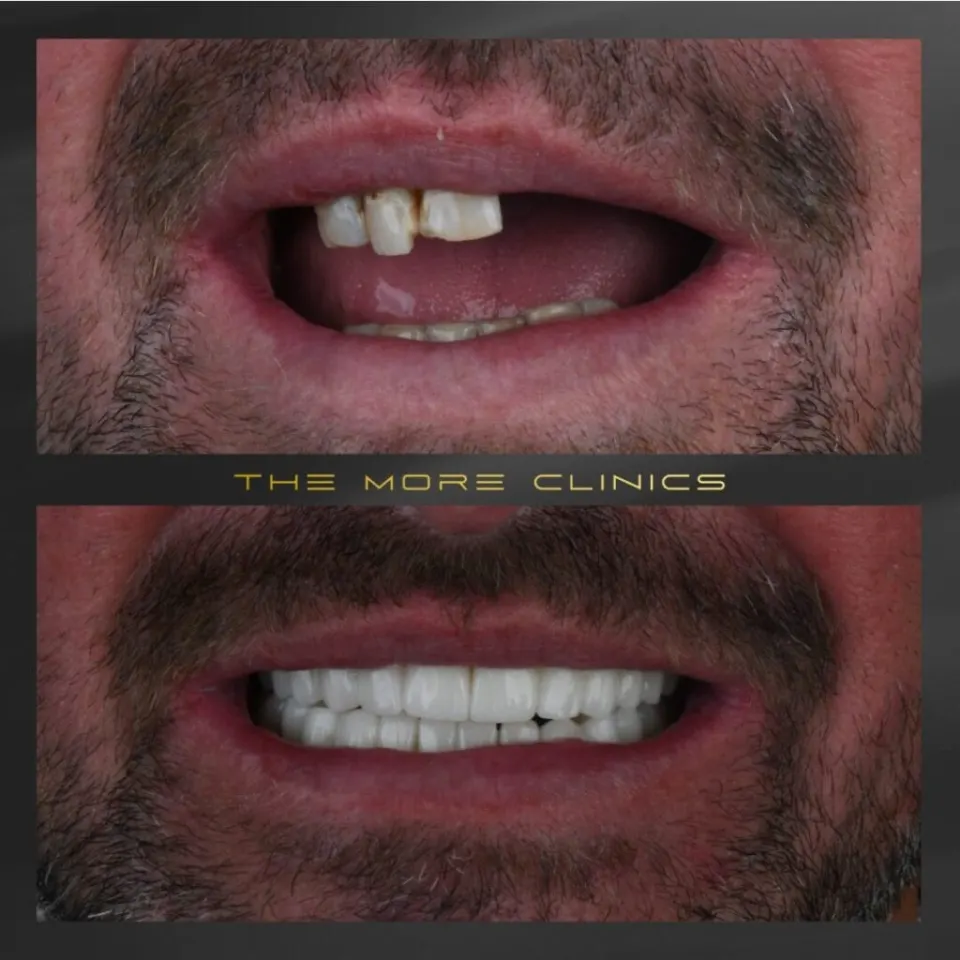
Full smile — zirconia crowns
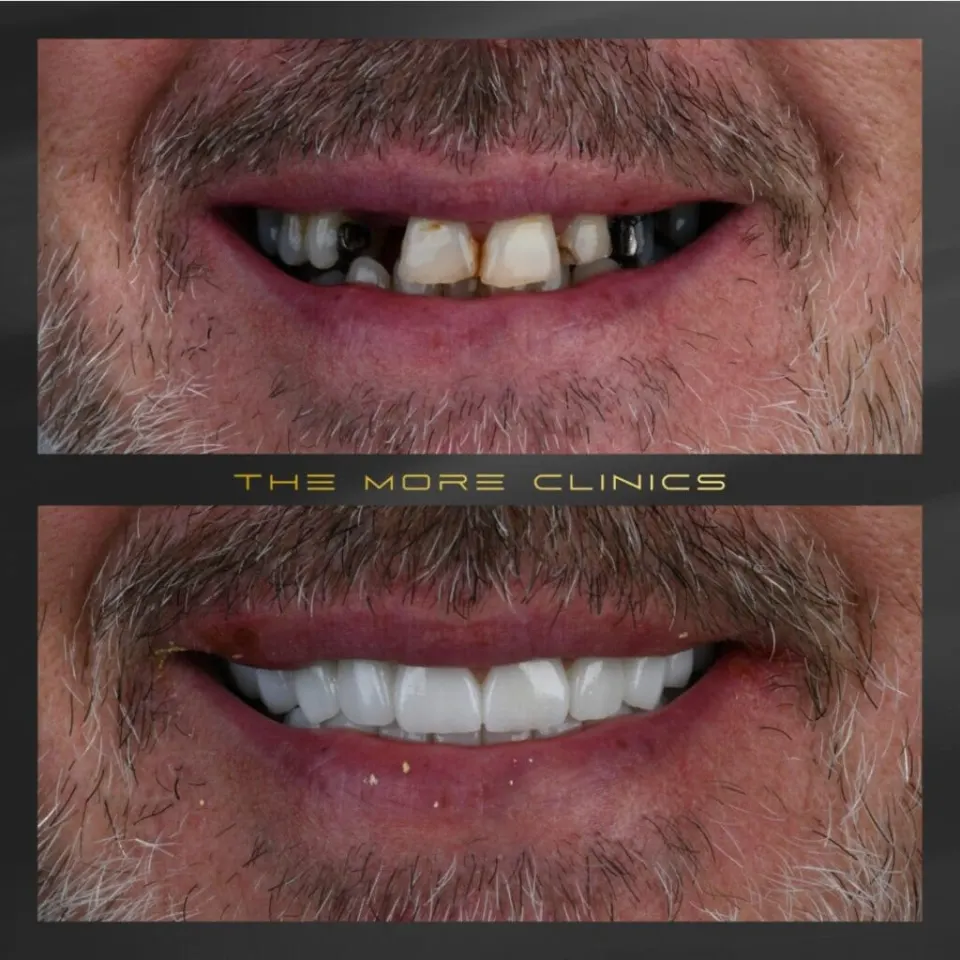
Front tooth crown — E-Max ceramic
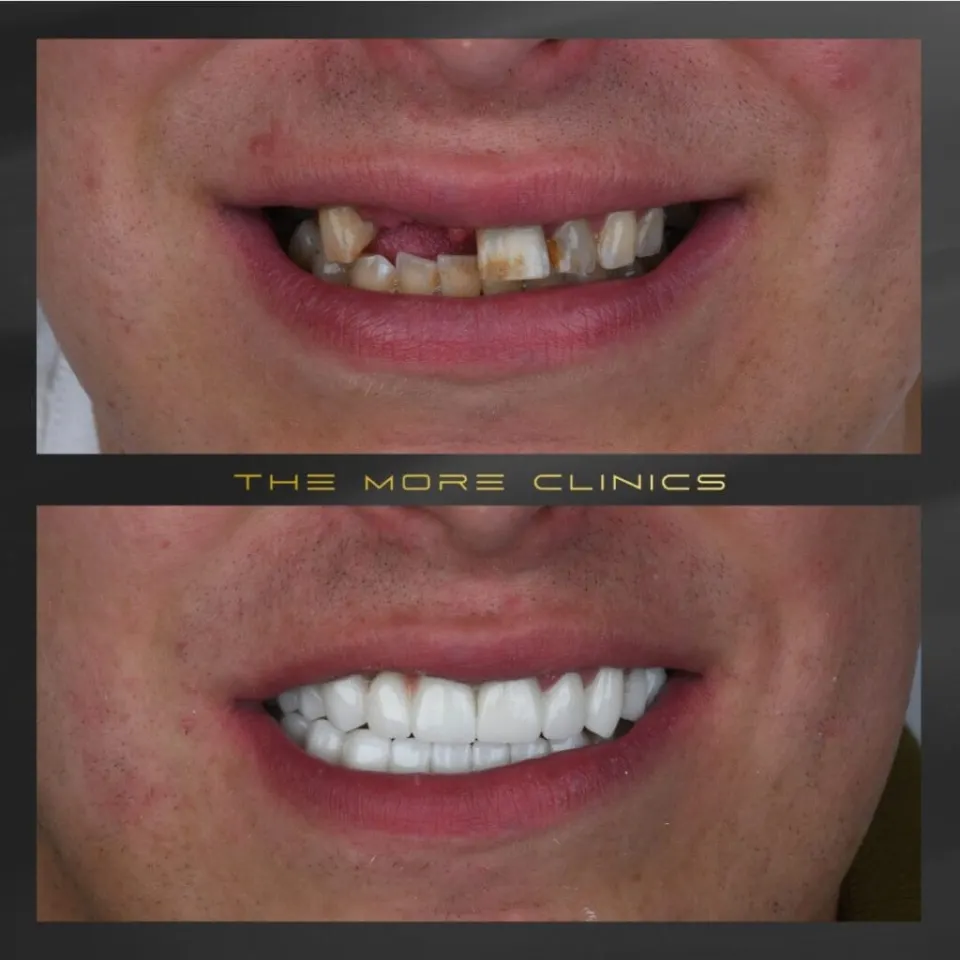
Smile makeover — E-Max crowns
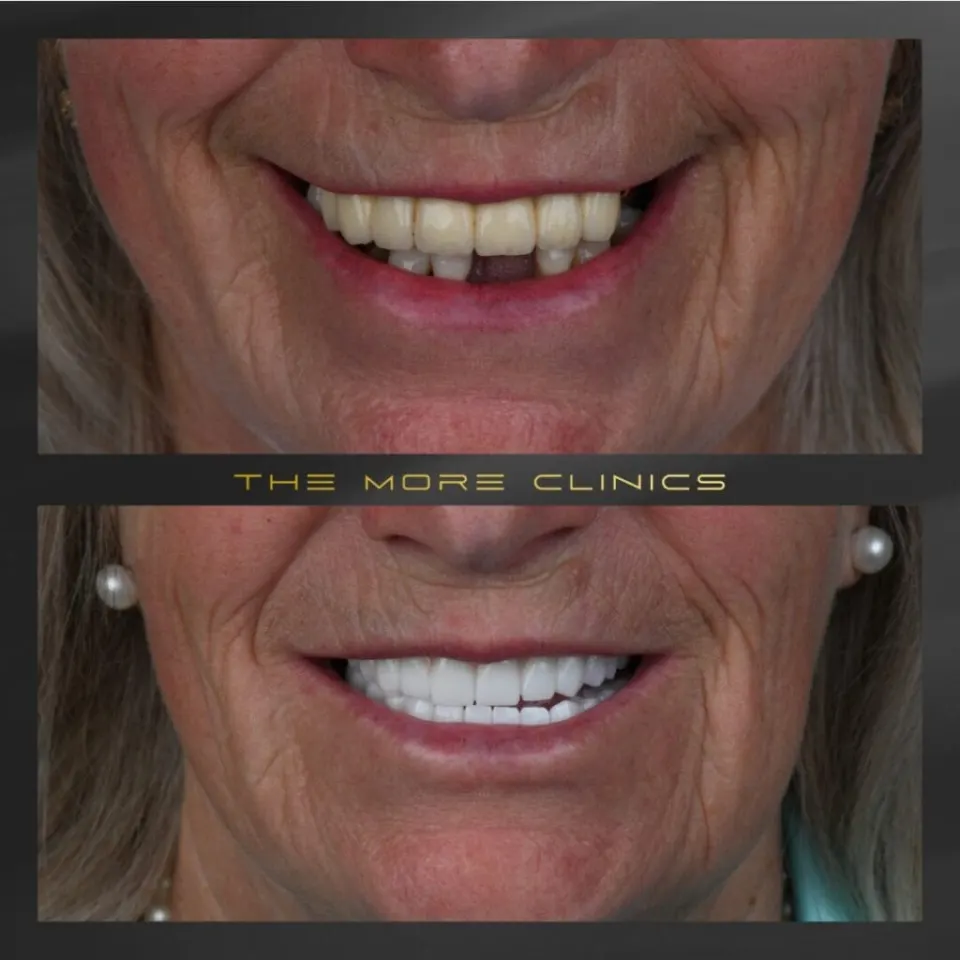
Implants + crowns — full restoration
For the full dental tooth crown before and after gallery: Dental Tooth Crowns Before and After Results Guide → | Full Gallery →
Frequently asked questions — types of dental crowns and cost
Which type of dental crown is most expensive?
Gold crowns are typically the most expensive per tooth due to the cost of the gold alloy — ranging from $900–$2,500 in the USA and $200–$430 in Turkey. E-Max and premium all-ceramic crowns follow closely. Standard zirconia and PFM are considerably cheaper. The type that costs most also depends on the country: in the USA and Canada, all ceramic options tend to approach gold-level pricing, while in Turkey the cost difference between materials is much smaller.
What is the best type of dental crown to get?
For front teeth: E-Max (lithium disilicate) — best natural appearance and translucency. For back teeth: monolithic zirconia — best strength-to-cost ratio with 15–25 year lifespan. For patients who grind heavily: gold — most durable, gentlest on opposing teeth. For budget-conscious patients needing back teeth: PFM — functional, durable, lowest cost. There is no single "best" crown — the right choice depends on the tooth position, your bite, and your priorities.
Can a tooth rot under a crown?
Yes — this is one of the most common causes of crown failure. The tooth beneath the crown can develop decay at the crown margins (the edges where the crown meets the tooth at the gum line) if oral hygiene is poor. The crown itself does not rot, but it cannot protect the tooth from decay if bacteria accumulate at the margin. Prevention: brush the gum line thoroughly, floss daily, and attend annual check-ups where your dentist can probe the margins with a dental explorer.
Is it cheaper to pull a tooth or get a crown?
Extraction is cheaper upfront — typically $75–$300 in the USA versus $800–$2,500 for a crown. But extraction creates a gap that, if left untreated, causes bone loss, shifting of adjacent teeth, and eventually more expensive problems. Replacing the extracted tooth with an implant ($3,000–$6,000 in the USA) far exceeds the cost of the crown that was avoided. A crown is almost always the better long-term investment for a tooth with significant structure remaining. For missing teeth options: Missing Teeth Replacement Options →
What is the cheapest type of dental crown?
PFM (porcelain-fused-to-metal) and metal crowns are the cheapest options — $500–$1,500 in the USA, $100–$150 in Turkey. Metal crowns (base alloy) are marginally cheaper than PFM but fully metal-coloured. For a cheap dental crown that still looks reasonably natural, PFM is the standard choice. For cheap dental crowns abroad, Turkey offers all types at 70–80% below USA pricing — a zirconia crown costs $150–$240 all-inclusive in Antalya compared to $800–$2,000 in the USA.
What is the front tooth crown cost in the USA and Turkey?
USA front tooth crown cost: $1,000–$2,500 for E-Max or all-ceramic. UK: £600–£1,200. Canada: CAD 1,200–2,500. Turkey: $190–$340 all-inclusive for E-Max — the same material and clinical procedure at 75–85% lower cost. For Antalya-specific detail: Dental Crowns Antalya 2026 →
What are the types of dental crowns and costs in Canada?
Canadian crown costs: Zirconia CAD 1,000–2,000 per tooth | E-Max CAD 1,200–2,500 | PFM CAD 850–1,800 | Gold CAD 1,500–3,000 | All-ceramic CAD 1,000–2,500. Canadian dental insurance typically covers 50% of crown costs under major restorative benefits — check your policy. Many Canadian patients travel to Turkey where the same crown costs $150–$340 all-inclusive, making travel cost-effective on a single crown.
How long do dental crowns last?
Lifespan by material: Gold: 20–30+ years | Zirconia: 15–25 years | E-Max: 15–20 years | PFM: 10–15 years | All-ceramic: 10–15 years | Metal: 15–25 years. These ranges assume good oral hygiene and regular dental check-ups. The most common cause of early crown failure is secondary decay at the margins — preventable with proper brushing and flossing.
Crown on implant — which material?
For implant crowns, zirconia is the most commonly used material — strong, white, biocompatible, and bonds well to the zirconia or titanium abutment. E-Max is preferred for front implant crowns where the highest aesthetic result is required. PFM is generally avoided for implant crowns where modern alternatives are available. For detail on implant options: Dental Implants Turkey → and Dental Implants Turkey Cost Guide →
Dental crown vs bridge — when is a bridge better?
A crown restores a single damaged tooth. A bridge replaces a missing tooth using crowns on adjacent teeth as support — no surgery required. A bridge is appropriate when adjacent teeth need crowning anyway, when surgery is not suitable, or when a faster timeline is needed. For the full comparison: Dental Bridge Cost & Types 2026 →
Dental crown cost Turkey — why patients choose Antalya
Turkey — and Antalya specifically — has become one of the most popular destinations for dental crown treatment for patients from the USA, UK, Canada and across Europe. The reasons are structural: lower clinic operating costs, higher surgical volume, and the same internationally certified materials used in home-country practices.
A zirconia crown costs $150–$240 all-inclusive in Antalya — the same brand of zirconia block, the same CAD/CAM milling process, placed by a dentist with more annual crown cases than most UK or US counterparts see in a decade. For the complete Antalya guide including same-day crown options, procedure timeline and what the all-inclusive package covers: Dental Crowns Antalya: Zirconia, PFM & Porcelain Cost 2026 →
The Last Word from The More Clinics
The best types of dental crowns is the one that matches your tooth's structural needs, your aesthetic priorities, and your budget — not the most expensive option and not the cheapest. At The More Clinics in Antalya, every type of dental crown case begins with an honest assessment: which material is clinically appropriate for your front tooth or back teeth, whether additional treatment (root canal, bone graft) is needed before the tooth crowning, and what the all-inclusive cost looks like before you commit to anything.
A free consultation by WhatsApp or video call gives you a specific material recommendation, a transparent cost, and a realistic timeline — in 10 minutes, with no obligation.
Book a Free Consultation → WhatsApp Us →
Medical disclaimer: This guide is for informational and educational purposes only. Crown material selection depends on individual dental anatomy and clinical examination. Consult a qualified dentist before booking dental treatment abroad.
SOURCES:
Journal of American Dental Association (ADA): "Wearing a Crown"
National Library of Medicine, Pubmed: "The clinical success of zirconia-based crowns: a systematic review"
Scandinavian Division of the International Association for Dental Research: "Retrospective clinical study of tooth‐supported single crowns: A multifactor analysis"
National Library of Medicine, Pubmed: "Clinical evaluation of monolithic zirconia crowns for posterior teeth restorations"
Journal of Research in Medical and Dental Science: "Zirconium Restorations-A review"
Cleveland Clinic: "Dental Crowns"
International Journal of Dentistry: "Retention and Clinical Performance of Zirconia Crowns: A Comprehensive Review"
Zirconium Restorations-A review
HOW THE MORE CLINICS KEEP THE CONTENT UP TO DATE:
Our dedicated medical and editorial teams work tirelessly to stay informed about the ever-evolving world of health news. By rigorously tracking the latest research, clinical guidelines, and significant developments across various medical fields, they ensure that our content remains accurate, relevant, and up-to-date.
This includes reviewing peer-reviewed studies, consulting with healthcare professionals, and monitoring advancements in medical technology. Their meticulous efforts and attention to detail allow us to provide you with trustworthy, reliable information that you can depend on to make informed decisions about your health and well-being.
However, we still insist on getting a healthcare professional's opinion before you make any decision about your health. Consulting with a qualified expert ensures that the choices you make are informed, safe, and tailored to your individual needs.
Last Uptaded at: August 12, 2026
Medically Reviewed by: DR ONUR ADEMHAN, ORAL AND MAXILLOFACIAL SURGEON
This article provides general information and does not replace an individual medical assessment, diagnosis or treatment advice. Discuss decisions about your health and treatment with your treating clinician.