What are Temporary Dental Crowns and How to Care Them?
Talk to our team
In this article 11 sections
If you've just had a tooth prepared for a crown, you'll usually leave with a temporary crown in place — and probably a lot of questions. How long will it last? What can you eat? Can you brush and floss normally? What happens if your temporary crown falls off? This complete, dentist-informed guide answers all of that and more, so you can get through the temporary phase comfortably and protect your tooth until your permanent crown is ready.
A temporary dental crown is a short-term cap — usually made of acrylic or composite resin — that protects your prepared tooth while a dental lab makes your permanent crown. It typically lasts 1 to 3 weeks, is held on with a weaker cement so it comes off easily at your next visit, and needs a little extra care: avoid sticky and hard foods, chew on the other side, clean gently, and call your dentist if it falls off.
What is a temporary crown, and why do you need one?
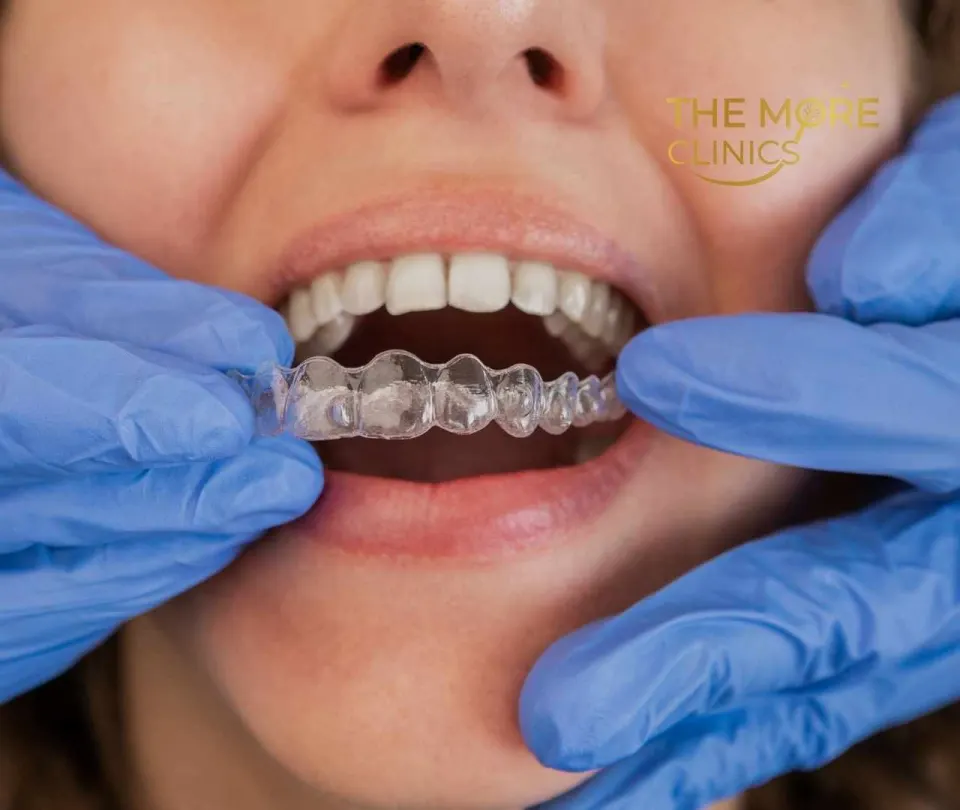
A temporary crown (sometimes called a provisional crown) is a short-term restoration placed over a tooth that's been prepared for a permanent crown. When your dentist shapes a tooth for a crown, they remove some of its outer structure — leaving it vulnerable. The temporary crown protects that prepared tooth while the dental lab custom-makes your permanent crown. Specifically, it:
- Protects the prepared tooth from damage and bacteria.
- Prevents sensitivity to hot, cold and pressure.
- Stops the prepared tooth and neighbouring teeth from shifting position.
- Maintains the gap and gum shape for the permanent crown.
- Lets you get used to the feel and appearance before the final crown arrives.
It's a real, important step — not just a placeholder to ignore. Looking after it well makes the whole process smoother.
What are temporary crowns made of?
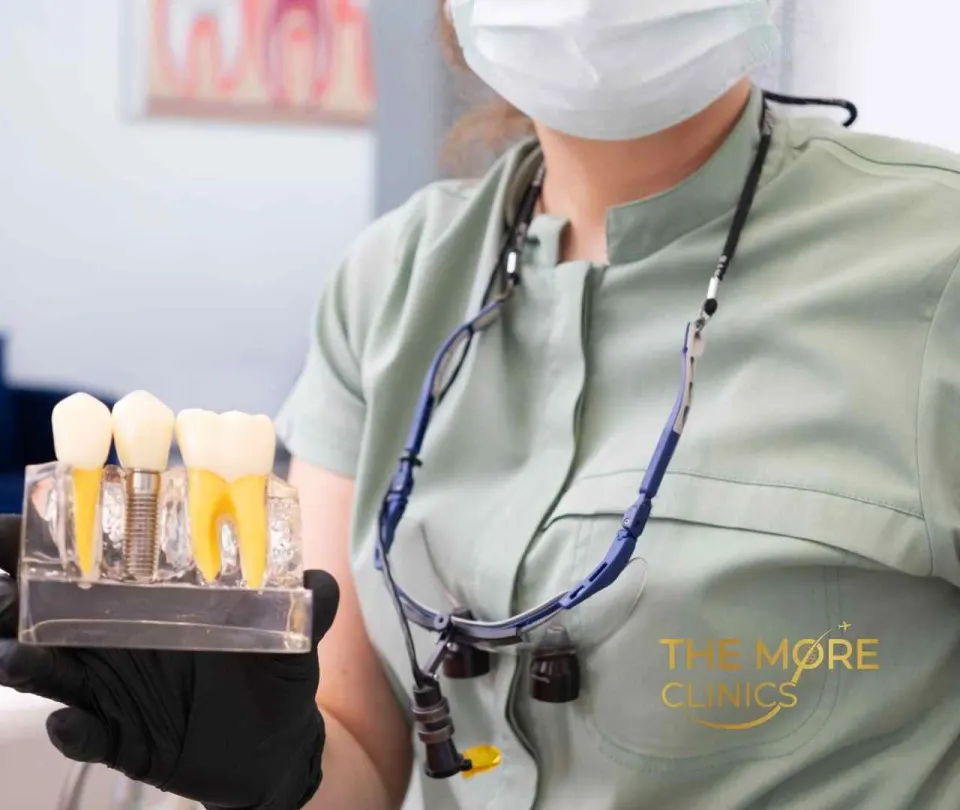
Temporary crowns are usually made from acrylic or composite resin. These materials are quick to shape, comfortable enough for short-term use, and — crucially — not as strong as the materials used for permanent crowns. They're attached with a deliberately weaker, temporary cement so your dentist can remove them easily when your permanent crown is ready. This is why a temporary crown needs more care than your natural teeth or a permanent crown would.
How long does a temporary crown last?
A temporary crown is designed to last 1 to 3 weeks — the typical time a dental lab needs to make your permanent crown. Two to three weeks is the most common wait.
In some cases, a temporary can stay in place for up to about 2 months if there are delays, but this isn't ideal: the longer it's worn, the higher the chance it loosens, falls off, or lets bacteria reach the tooth. It generally shouldn't be kept longer than 2–3 months. Follow your dentist's timeline and attend your permanent crown appointment as scheduled.
The procedure: how a temporary crown is placed
Placing a temporary crown is quick and usually done at the same appointment your tooth is prepared. Your dentist shapes the tooth, takes an impression or digital scan (used to make the permanent crown), then makes or fits a temporary crown, adjusts it so your bite feels comfortable, and cements it with temporary cement. The whole thing is usually done under local anaesthetic to keep you comfortable, and you leave with the temporary in place the same day.
What can you eat with a temporary crown?
Diet is where most temporary crown problems happen — but a few simple rules keep it safe:
| ✅ Good choices (soft) | ❌ Avoid |
|---|---|
| Yogurt, eggs, pasta, rice | Sticky: chewing gum, caramel, taffy, toffee |
| Mashed potatoes, soups, oatmeal | Hard: ice, nuts, hard candy, crusty bread |
| Fish, cooked vegetables, softer fruits | Very chewy or tough meats |
| Chew on the OPPOSITE side | Chewing directly on the temporary |
The single most helpful habit: chew on the opposite side of your mouth whenever you can, especially in the first day or two. If you do eat something firmer, keep it away from the temporary crown. This isn't about strict restriction — it's about avoiding an unexpected trip back to the dentist before your permanent crown is ready.
How to clean and care for a temporary crown
Keep up your oral hygiene — but with a gentler touch. Bacteria can still build up around the edges, so don't skip the area. The key adjustments:
- Brush gently around the crown with a soft-bristled toothbrush and a non-abrasive toothpaste.
- Floss carefully — slide it out sideways, don't snap or lift the floss up through the contact, which can pull the crown off.
- Avoid high-pressure water flossers near the crown — strong bursts can loosen the temporary cement.
- Use a gentle, alcohol-free mouthwash — alcohol-based rinses can dry the area and weaken the cement seal.
- Rinsing with warm salt water 2–3 times a day can soothe the gum if it's a little tender.
What to do if your temporary crown falls off
Temporary crowns come off sometimes — the cement is deliberately weak. Don't panic, but act promptly:
- Keep the crown — find it and rinse it gently with warm water.
- Don't leave the tooth exposed — the prepared tooth is vulnerable to damage and sensitivity.
- Try to place it back over the tooth. Pharmacy dental cement (or even a dab of toothpaste) can hold it temporarily.
- Call your dentist right away — in most cases it can be re-cemented the same or next day.
- Avoid chewing on that side until it's reseated.
If your temporary crown falls off more than once, the fit may need adjusting — tell your dentist. And if you have pain or swelling after it comes off, treat it as urgent and seek care promptly.
Sensitivity and pain: what's normal?
Some mild sensitivity to temperature or pressure is normal in the first few days after a tooth is prepared and a temporary crown placed — the tooth underneath has been worked on and is more reactive. Over-the-counter pain relievers like ibuprofen can help, and using lukewarm (not very hot or cold) water for the first few days limits sensitivity.
Contact your dentist, however, if you have: sharp or throbbing pain that doesn't improve with over-the-counter medication, pain on biting that worsens over time, swelling of the gum around the crown, or a bite that feels significantly off. These can mean the temporary needs adjusting or the tooth needs further evaluation.
Temporary vs permanent crowns
| Temporary crown | Permanent crown | |
|---|---|---|
| Material | Acrylic / composite resin | Porcelain, ceramic, zirconia or metal |
| Cement | Weak (removable) | Strong (long-lasting) |
| Lifespan | 1–3 weeks | Many years with care |
| Purpose | Protect tooth while waiting | Permanent restoration — strength & appearance |
Your dentist removes the temporary crown by gently loosening the weak cement, then cements your custom permanent crown — designed to handle daily chewing and blend with your natural smile — securely in its place.
Need a dental crown or full smile restoration?
Our dental team offers crowns, veneers and complete smile makeovers — with a free assessment and treatment plan. Free Consultation →
Temporary Dental Crowns — Frequently Asked Questions
How long does a temporary crown last?
Usually 1–3 weeks, the time a lab needs to make your permanent crown. It can stay up to about 2 months if there are delays, but shouldn't be kept longer than 2–3 months, as the risk of it loosening or letting bacteria in rises over time.
Can I chew on a temporary crown?
Try not to chew directly on it, especially in the first day or two. Chew on the opposite side, and avoid hard and sticky foods. The temporary crown protects the tooth but isn't as strong as a permanent one.
Can I use mouthwash with a temporary crown?
Yes, but use a gentle, alcohol-free mouthwash. Alcohol-based rinses can dry the area and weaken the temporary cement holding the crown in place.
What are temporary crowns made of?
Usually acrylic or composite resin, attached with a weaker temporary cement so they can be removed easily when your permanent crown is ready.
What should I do if my temporary crown falls off?
Keep it, rinse it, and try to place it back (pharmacy dental cement or a little toothpaste can hold it). Don't leave the tooth exposed, avoid chewing on that side, and call your dentist — it can usually be re-cemented the same or next day.
How do I clean a temporary crown?
Brush gently with a soft-bristled toothbrush and non-abrasive toothpaste, and floss by sliding the floss out sideways rather than lifting it up (which can pull the crown off). Avoid high-pressure water flossers near the crown.
Is it normal for a temporary crown to hurt?
Mild sensitivity to temperature or pressure in the first few days is normal. Sharp or throbbing pain, pain on biting that worsens, swelling, or a bite that feels off should be checked by your dentist.
Can I get a temporary crown on my front teeth?
Yes — temporary crowns are commonly used on front teeth and are shaped and shaded to look natural while you wait for your permanent crown. Take extra care biting into hard foods with front temporaries.
How do dentists remove a temporary crown?
Because temporary crowns use weak cement, your dentist can gently loosen and lift them off, usually with little discomfort, before cementing your permanent crown.
The Last Word from The More Clinics
A temporary crown is a small but important part of getting a permanent crown — it protects your tooth, keeps everything in place, and only needs a couple of weeks of gentle care. Eat softly, clean carefully, chew on the other side, and call your dentist promptly if it comes off or hurts. Before long, it'll be swapped for your custom permanent crown. If you're planning crown, veneer or full smile treatment, our dental team is happy to talk you through your options.
Related: Dental Clinic Antalya · Dental veneers · Smile makeover · Dental implants
Medical disclaimer: This guide is for general informational purposes only and does not replace advice from your dentist. If you have pain, swelling or a lost crown, contact your dental professional promptly.
SOURCES:
MySpecialtyDentist / MSD Clinical Editorial (Apr 2026)
GetSmile / Dr. Eugene Bernstein DDS (Apr 2026)
National Library of Medicine: "A review of temporary crowns and bridges"
National Library of Medicine: "A retrospective cohort study on 3D printed temporary crowns"
Journal of the Irish Dental Association: "The provisional crown"
HOW THE MORE CLINICS KEEP THE CONTENT UP TO DATE:
Our dedicated medical and editorial teams work tirelessly to stay informed about the ever-evolving world of health news. By rigorously tracking the latest research, clinical guidelines, and significant developments across various medical fields, they ensure that our content remains accurate, relevant, and up-to-date.
This includes reviewing peer-reviewed studies, consulting with healthcare professionals, and monitoring advancements in medical technology. Their meticulous efforts and attention to detail allow us to provide you with trustworthy, reliable information that you can depend on to make informed decisions about your health and well-being.
However, we still insist on getting a healthcare professional's opinion before you make any decision about your health. Consulting with a qualified expert ensures that the choices you make are informed, safe, and tailored to your individual needs.
Published: [01/08/2025]
Last Updated: [27 August 2026]
Written by The More Editorial Team and Medically Reviewed by Dr. Onur Ademhan, specialist in Oral and Maxillofacial Surgery. See our Editorial Process.
This article provides general information and does not replace an individual medical assessment, diagnosis or treatment advice. Discuss decisions about your health and treatment with your treating clinician.