How to Prevent Hair Loss: Evidence-Based Tips That Actually Work
Talk to our team
In this article 9 sections
Not all hair loss can be prevented — but a surprising amount can be slowed, softened, or avoided altogether with the right habits started early. The catch is that most "hair loss prevention" advice online is a mix of a few genuinely effective, science-backed measures and a lot of myths that do nothing.
This guide separates the two: what actually protects your hair (gentle care, real nutrition, early action), what to skip, and when to stop self-treating and see a specialist. If you want to understand why hair falls out or which type of hair loss you have, start there — this guide is about protecting the hair you have.
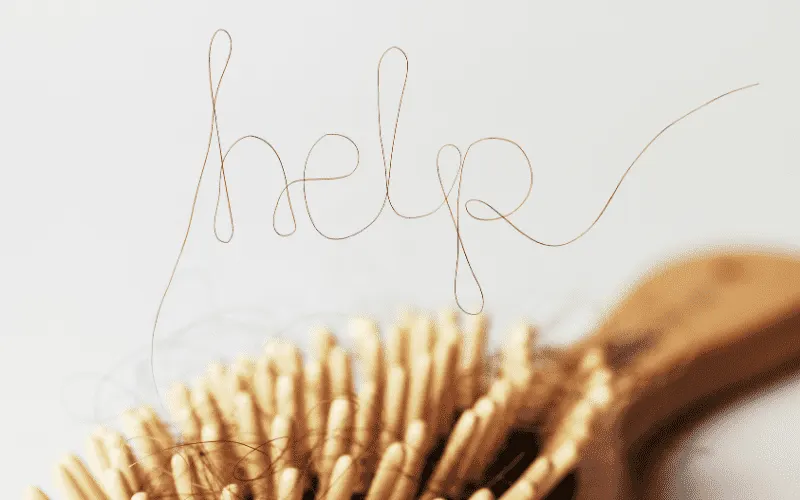
Small, consistent choices beat dramatic interventions. Preventing hair loss is about reducing the cumulative stress on your scalp and follicles — gentle handling, steady nutrition, managing what you can control — and acting early, because the earlier you start, the more follicles are still capable of responding.
What "prevention" realistically means
Let's be honest up front, because it changes everything you do next. Some hair loss is preventable, and some isn't. Loss from temporary or external factors — stress, crash diets, harsh styling, nutritional gaps — can often be prevented or reversed once the cause is addressed.
But genetic pattern baldness (androgenetic alopecia) is driven by hormones and heredity, so here "prevention" means management: slowing progression and preserving what you have, not eliminating the tendency. Knowing which situation you're in matters — and if you're unsure, our guide to the types of hair loss and causes of hair loss is the place to start. This article focuses on the habits that protect your hair whatever your situation.
Gentle hair care that protects follicles
You can't change your genes, but you can stop actively damaging your hair. The theme is gentleness — reducing mechanical and chemical stress on the shaft and scalp:
- Avoid tight hairstyles. Ponytails, tight braids, buns and extensions pull constantly at the follicle and can cause traction alopecia — a genuinely preventable type. Choose loose styles, and vary where the tension falls.
- Handle hair gently, especially when wet. Wet hair breaks more easily. Use a wide-tooth comb, detangle from the ends upward, and skip aggressive brushing.
- Go easy on heat and chemicals. Frequent bleaching, colouring, perming and hot styling weaken the shaft. Minimise them, and always use a heat protectant.
- Wash appropriately for your scalp. A clean scalp supports healthy follicles; regular washing removes oil and build-up without "causing" hair loss. Use a mild, pH-balanced (ideally sulfate-free) shampoo, roughly 2–5 times a week depending on how oily your scalp is.
- Protect from the sun. Excess UV weakens the hair shaft over time — a hat helps on long exposures.
None of these regrow hair, but together they stop the avoidable breakage and tension loss that quietly compounds over years.
Nutrition: what actually helps (and what's marketing)
Hair follicles are among the most metabolically active tissues in the body, so nutrition genuinely matters — but it's a supporting role, not a cure, and the evidence points to a few specific things rather than a cabinet full of supplements:
- Protein is the foundation. Hair is essentially keratin (a protein), and crash diets or low-protein eating are classic triggers of shedding within 2–3 months. Aim for adequate, steady protein (roughly 1.2–1.6 g/kg if active) from lean meats, fish, eggs, legumes and nuts.
- Iron (ferritin) is the big one — especially for women. Low iron stores are one of the most common correctable causes of diffuse shedding. Notably, a ferritin level that's "normal" on a lab report (20–40 ng/mL) may still be too low for optimal hair growth — many specialists target above ~70 ng/mL. This is why testing beats guessing.
- Vitamin D receptors sit in the follicle and help regulate the hair cycle; low levels are linked with telogen effluvium and alopecia areata.
- Zinc, B12, folate can contribute when deficient — worth checking, not blindly dosing.
- A Mediterranean-style diet (vegetables, fruit, olive oil, oily fish) is associated with a lower risk of pattern baldness, likely via its anti-inflammatory effect.
Lifestyle: smoking, stress & sleep
- Stop smoking. Smoking's toxins damage follicles and restrict blood flow to the scalp; quitting amplifies the benefit of everything else you do.
- Manage stress. Major physical or emotional stress can push follicles into shedding (telogen effluvium). You can't eliminate stress, but managing it supports recovery and reduces flare-ups.
- Prioritise sleep. The body does its repair and hormonal regulation during sleep — chronic deprivation works against hair health along with everything else.
- Know your medications. Some drugs (isotretinoin, certain antidepressants, beta-blockers, high-dose vitamin A) can trigger shedding. If yours started after a new medication, don't stop it abruptly — ask your prescriber about alternatives.
Early action: the single biggest lever
If there's one thing that separates people who keep their hair from those who don't, it's timing. In pattern baldness, follicles gradually miniaturise, and once that process is advanced it becomes very hard to reverse — the follicle's capacity to respond fades. So the highest-value "prevention" of all is acting at the first signs, especially if you have a strong family history:
- Track it. Photograph your hairline, part and crown every few weeks — subtle change shows up in photos long before the mirror.
- Start proven therapy early. Topical (or low-dose oral) minoxidil can be started at early signs; a specialist will assess whether a DHT blocker like finasteride is appropriate. These work best before significant loss, and need consistent use over 6–12 months.
- Consider adjuncts. PRP and low-level laser therapy can support medical treatment.
- Watch the red flags: persistent shedding beyond three months, a widening part, visibly miniaturised (finer) hairs, or patches — all signs to get assessed rather than wait.
For how these treatments actually work and which suits which pattern, see our full guide to the types of hair loss and their treatments. And when miniaturisation is already advanced, a hair transplant offers a long-lasting way to restore density.
Myths that don't actually prevent hair loss
Plenty of popular "remedies" have little or no evidence — and time spent on them is time not spent on what works:
- Wearing hats causes baldness — false; normal hats don't cause hair loss.
- Frequent washing causes hair loss — false; the hairs you see are ones already shed, not caused by washing.
- Hot showers make hair fall out — they can dry the scalp, but don't directly cause hair loss.
- Home remedies (onion juice, special oils, herbal cures) regrow hair — evidence is weak to none; they may condition the hair but don't reverse pattern loss.
- Any supplement will thicken your hair — only correcting a real deficiency helps; the rest is marketing.
- Massage or "boosting circulation" prevents baldness — pleasant, but not a proven prevention for genetic loss.
The honest bottom line: gentle care, real nutrition where you're deficient, not smoking, managing stress, and early proven treatment are what move the needle.
When to see a specialist
Self-care goes a long way, but some situations need professional assessment — and sooner is better. See a dermatologist or hair specialist if you have sudden or patchy loss, shedding that persists beyond three months, a rapidly widening part, scalp symptoms (redness, scaling, pain), or signs of an underlying issue (irregular cycles, weight or energy changes, which can point to thyroid or hormonal causes).
Postpartum shedding is a common exception — it typically peaks 3–4 months after delivery and improves on its own by 9–12 months, so gentle care and good nutrition are usually all that's needed. Women's hair loss has its own considerations; see our guide to hair loss in women. A specialist can test comprehensively (ferritin, vitamin D, thyroid, and more), identify the real cause, and match treatment to it — which is the difference between guessing and actually protecting your hair.
Worried about early hair loss? Send photos for an honest assessment
Free Consultation → WhatsApp Us →Preventing Hair Loss — Frequently Asked Questions
Can hair loss really be prevented?
Partly. Loss from stress, diet, harsh styling or nutritional gaps can often be prevented or reversed by addressing the cause. Genetic pattern baldness can't be eliminated, but it can be slowed and managed — especially with early treatment.
What's the single most effective thing I can do?
Act early. In pattern baldness, follicles that have miniaturised too far can't be recovered, so starting proven treatment at the first signs — and being consistent for 6–12 months — is the biggest lever, alongside not smoking and steady nutrition.
Do supplements prevent hair loss?
Only if you're genuinely deficient. Correcting low ferritin (iron), vitamin D or zinc can help shedding; taking supplements blindly usually doesn't, and excess iron, vitamin A or high-dose biotin can cause problems. Test first, then correct what's low.
Does diet affect hair loss?
Yes, as a supporting factor. Adequate protein is essential (hair is keratin), crash diets trigger shedding, and a Mediterranean-style diet is linked to lower pattern-baldness risk. Diet supports hair but doesn't override genetics.
Does stress cause hair loss, and can managing it help?
Major stress can push follicles into a shedding phase (telogen effluvium), which is usually temporary. Managing stress helps recovery and reduces flare-ups, though it won't affect genetic pattern loss.
Do home remedies like onion juice or oils work?
Evidence is weak to none for regrowing hair. They may condition the hair, but they don't reverse pattern loss — proven treatments and good habits are a far better use of your effort.
When should I see a doctor instead of self-treating?
If loss is sudden, patchy, persists beyond three months, or comes with scalp or health symptoms. Early professional assessment gives the best chance of protecting your hair.
The Last Word from The More Clinics
Preventing hair loss isn't about chasing miracle products — it's about consistently doing the few things that genuinely work: handling your hair gently, eating well and correcting real deficiencies, not smoking, managing stress, and acting early with proven treatment at the first signs. Skip the myths, test rather than guess, and get a professional assessment when the red flags appear. That combination protects far more hair than any single "miracle" ever could.
If you've noticed early thinning and want an honest read on what's happening and what would actually help, our specialists are glad to review your photos — a WhatsApp consultation is free and without obligation.
Get a Free Consultation → WhatsApp Us →
Related: Types of hair loss · Hair loss causes · Hair loss in women · Telogen effluvium · Traction alopecia · Hair transplant
 Written by The More Editorial Team and Medically Reviewed by Dr. Seda Erdoğan, specialist in Hair Transplantation and Dermatology. See Editorial Process. Last Updated: [24 August 2026]
Medical disclaimer: This guide is for general informational purposes only and does not replace personal medical advice. Persistent, sudden or patchy hair loss should be assessed by a qualified doctor or dermatologist. Do not start or stop any medication or supplement without professional guidance — some carry risks and interactions.
This article provides general information and does not replace an individual medical assessment, diagnosis or treatment advice. Discuss decisions about your health and treatment with your treating clinician.