Aquiline Nose: Meaning, Appearance, and Treatment Options
Talk to our team
In this article 16 sections
An aquiline nose - with its curved bridge and sculpted profile - is one of the most recognizable nose shapes in the world. For some, it's a distinguishing feature they wear with pride. For others, it's a source of quiet frustration every time they catch their reflection in profile.
This guide is intended for anyone curious about the aquiline nose shape—whether you have one yourself, are considering treatment, or simply want to understand its cultural and anatomical significance. This guide covers everything you need to know about the aquiline nose shape: what defines it anatomically, why it develops, how cultures have perceived it over centuries, and the full range of surgical options and non surgical approaches available if you're considering a change.
Key Takeaways
- An aquiline nose is characterized by a high, prominent nasal bridge with a convex curve, sometimes called a roman nose or hooked nose. It is a normal anatomical variant, not a medical condition.
- Despite the perception that an aquiline nose is rare, this nose type is common globally - especially in Mediterranean, middle eastern, South Asian, and Latin American populations.
- Rhinoplasty can correct a hooked nose's shape and size, while septorhinoplasty combines aesthetic and functional nasal corrections to address both appearance and a deviated septum in a single procedure.
- Non surgical options like liquid rhinoplasty with dermal fillers can temporarily soften a nasal hump, though they cannot reduce bone volume or fix breathing problems.
- The More Clinics helps patients compare verified rhinoplasty surgeons across 40+ countries, with AI doctor matching, transparent pricing, patient advocacy, and 12-month complication protection for safer treatment abroad.
What Is an Aquiline Nose? (Definition and Visual Characteristics)
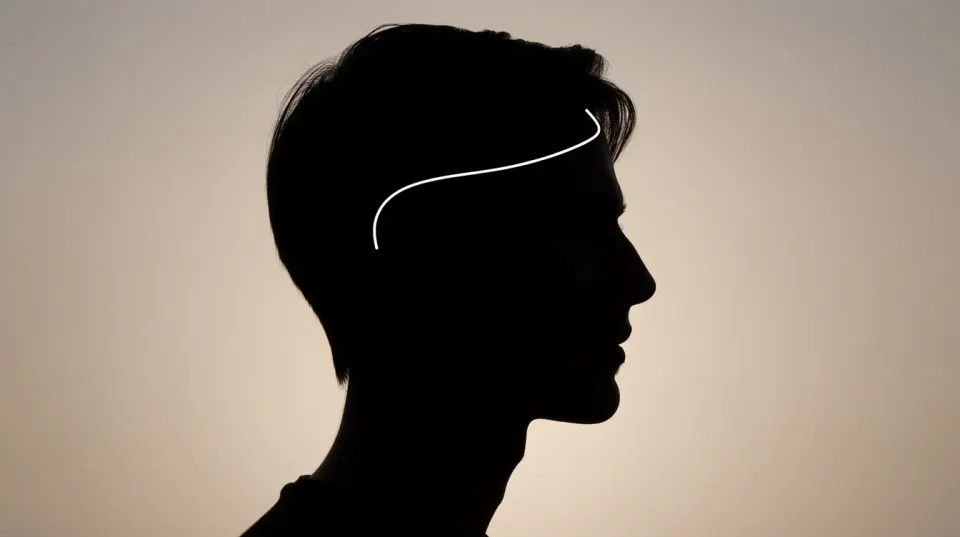
The term "aquiline" comes from the Latin word for "eagle," describing a nose with a pronounced curvature of the nasal bridge that resembles an eagle's beak in profile. An aquiline nose is characterized by a high, prominent nasal bridge (Fact: 1) and a pronounced curvature of the nasal bridge (Fact: 2), which together create its distinctive profile.
You may also hear it called a roman nose, hooked nose, or hook nose - terms used interchangeably in everyday conversation, though rhinologists note subtle differences. An aquiline nose may have a gentle convex curve, while a hooked nose typically implies a more dramatic downward bend near the nasal tip.
From the side, the defining feature is a visible hump or arch along the nasal dorsum. The bridge rises outward, then slopes toward the tip, which may project forward or droop slightly depending on cartilage support. Aquiline noses can create a strong, sculpted profile that many find distinctive. From the front, you'll typically notice a prominent bridge and a nose that appears longer relative to other facial features, with nostrils that may seem narrower.
This nose shape is a completely normal variant. The vast majority of people with aquiline noses have no related functional problems - it's simply how their nasal structure developed.
Genetics, Ethnicity, Trauma, and Aging: Why Aquiline Noses Develop
Most aquiline noses are hereditary. Multiple genes influence the size and shape of nasal bones, cartilage thickness, and overall facial proportions. If your parents or grandparents had a dorsal hump, there's a good chance you will too - it's common to see the same profile repeated across generations.
Aquiline noses occur naturally across many diverse populations but are especially common in Mediterranean and middle eastern populations. A Turkish study of 300 adults found that 21.1% had aquiline noses, compared to 12.5% with a straight nose. While the shape may seem less typical in Northern European or East Asian populations, calling an aquiline nose rare is misleading - it depends entirely on where you look. There is no scientific link between nose shape and personality traits or ancestry beyond simple genetic inheritance.
Beyond genetics, a broken nose during childhood or adolescence - from a sports collision or accident - can heal with a nasal hump or deviation that creates or accentuates an aquiline appearance. Aging also plays a role: as soft tissues lose elasticity and the nasal tip droops, a previously moderate curve can look increasingly hooked. Even previous nose surgery with outdated techniques can sometimes create this effect if the nasal tip was left without adequate support.
Anatomy of an Aquiline Nose: Bones, Cartilage, and Nasal Tip
Understanding the anatomy helps clarify what creates the curve. The nose has three zones: the upper third consists of nasal bones, the middle third includes upper lateral cartilage, and the lower third is formed by lower lateral cartilage - shaping the nasal tip and nostrils.
A dorsal hump is the convex bump along the bridge. In aquiline noses, this hump involves both bony and cartilaginous components. A surgeon performing hump reduction must address both layers to achieve a smooth result. The nasal tip matters just as much: a droopy, under-supported tip magnifies the appearance of even a modest hump, while a well-rotated tip can soften the overall profile considerably.
The nasal septum - the wall of cartilage and bone dividing the nostrils - sits at the center of it all. When the septum is deviated, it can contribute to a crooked bridge, asymmetric appearance, and difficulty breathing. This is why many patients with aquiline noses who also have breathing difficulties end up considering septorhinoplasty rather than cosmetic surgery alone.
Cultural Meaning and Self-Image: Aquiline Noses in History and Today
Historically, aquiline noses have symbolized strength and leadership in art. In ancient Greek and Roman sculpture, aquiline noses have been depicted on leaders and gods as markers of power, nobility, and command. Renaissance painters continued this tradition, giving aristocratic and intellectual figures strong nasal bridges.
Perceptions of an aquiline nose vary widely across different cultures. Modern Western beauty standards have sometimes favored smaller, softer noses, which can create pressure for reshaping. Cultural preferences can lead to pressure for nose reshaping, particularly when media images consistently promote one ideal. Yet in many contemporary Mediterranean, middle eastern, and Latin American communities, the aquiline profile remains admired as elegant and aristocratic. Celebrities like Barbra Streisand and Helen Mirren have made this distinctive feature part of their celebrated personal style.
Judgments of attractiveness depend on facial harmony rather than nose shape alone. Modern beauty standards increasingly appreciate distinct features like aquiline noses as markers of individuality and character. Whether you choose to embrace or reshape your nose should come from personal comfort - not external pressure.
When Is Treatment Considered? Aesthetic and Functional Reasons
An aquiline nose can create self-consciousness for some individuals, particularly when they feel the hump dominates their face in photos or profile. Facial features significantly influence self-image and personal confidence, and long-standing insecurities about a nose shape can genuinely affect daily well-being.
The most common reasons patients seek treatment include:
- Smoothing or reducing the dorsal hump
- Shortening a nose that appears disproportionately long
- Refining the nasal tip for better balance with chin and lips
- Maintaining facial harmony while preserving natural character
Functional motivations are equally valid. Breathing issues from a deviated septum, nasal valve collapse, chronic congestion, or snoring may coexist with an aquiline profile. A prominent nose doesn't automatically mean functional issues exist - proper evaluation by an ENT specialist or board certified plastic surgeon is essential.
Rhinoplasty can improve psychological mood by enhancing appearance. A 2024 systematic review of over 2,700 rhinoplasty patients found significant improvements in self esteem, body image, and social functioning from three months to five years post-surgery. Many patients report increased confidence after rhinoplasty. Before scheduling a personalized consultation, list your specific concerns - profile versus front view, bridge versus tip - so your surgeon can design a plan around your priorities.
Related Post: Wide Nose Rhinoplasty
Related Post: Upturned Nose (Celestial Nose) Rhinoplasty
Surgical Approaches: Rhinoplasty, Septoplasty, and Septorhinoplasty
Hooked nose surgery typically falls into three categories. Rhinoplasty surgery focuses on aesthetic reshaping. Septoplasty straightens the septum to improve the patient's breathing without necessarily changing external appearance. Septorhinoplasty addresses both - the go-to surgical procedure when cosmetic and functional goals overlap.
During a nose job for an aquiline nose, the surgeon carefully sculpts the bony and cartilaginous hump to create a smoother dorsal line. This hump reduction requires precision to avoid an over-resected, "scooped" look. Tip work often accompanies bridge refinement to ensure overall harmony.
Open rhinoplasty uses a small incision across the columella (the skin between the nostrils), giving the plastic surgeon full visibility for complex reshaping. Closed rhinoplasty relies on internal incisions, offering less external scarring and sometimes faster initial recovery - suitable for smaller adjustments.
Ultrasonic rhinoplasty is a newer technique that uses piezoelectric instruments for greater precision when reshaping nasal bones, often with less bruising and swelling. Preservation rhinoplasty lowers the dorsum without fully removing it, maintaining the natural soft tissues envelope. A 2025 meta-analysis of 1,339 patients found preservation techniques produced higher short-term aesthetic satisfaction and fewer dorsal irregularities compared to traditional reduction.
Surgical rhinoplasty typically lasts 1.5 to 3 hours under general anesthesia, and most patients go home the same day. Exact details vary by surgeon, technique, and country.

Non-Surgical Approaches and Styling Strategies
A non surgical approach suits people with mild humps who want subtle, temporary changes - or who aren't ready for surgery. It's important to understand that non-surgical methods do not reduce bone volume of the nose or fix functional problems.
Liquid rhinoplasty involves injecting fillers for temporary changes to the nasal contour. Hyaluronic acid injections can camouflage an aquiline nose by adding overall volume above and below the hump to visually straighten the profile. Anti-aging injections can also improve the appearance of a hooked nose by lifting a droopy tip.
The procedure takes under 30 minutes. Results from fillers typically last 12 to 18 months, and hyaluronic acid fillers are reversible with an enzyme called hyaluronidase. Risks include swelling, bruising, and rare but serious vascular complications - always choose an experienced injector.
Dermal fillers cannot correct a deviated septum or address breathing problems. They're best for patients with a relatively straight nose and a small bump who want to test the waters.
Styling strategies can also help balance a prominent bridge. Subtle contouring with darker powder along the sides of the nose and highlighting other facial features like eyes or lips creates visual balance.
Layered hairstyles with volume around the jaw and cheeks complement a strong nose - avoid extremely flat, pulled-back looks that draw attention to the profile. Embracing your aquiline nose as a distinctive feature is equally valid, and focusing on overall facial harmony rather than "hiding" any single feature tends to produce the most natural confidence.
Planning Treatment Abroad with The More Clinics (Costs, Safety, and Doctor Choice)
Many patients exploring nose rhinoplasty consider medical tourism to reduce costs without sacrificing quality. Nose surgery in Western Europe or North America can range from $6,000 to $20,000 USD, whereas comparable procedures in Turkey or parts of Eastern Europe may cost roughly €2,000–€5,000 depending on surgeon experience and case complexity.
The More Clinics functions as a healthcare marketplace and patient advocacy platform, connecting patients with verified rhinoplasty surgeons across 40+ countries. Key features include:
- AI doctor matching based on procedure type - whether you need aquiline nose hump reduction, septorhinoplasty for a deviated septum, or expert advice on a non surgical approach versus full surgical rhinoplasty
- Multi-source verified reviews from Google, Trustpilot, RealSelf, and the platform itself
- 12-month complication protection for patients who book through the platform
- Dedicated patient advocates who review treatment quotes, explain risks, and support you before and after your procedure
Before any consultation, prepare profile and front-view photos, note any breathing difficulties, and clarify your goals - whether that's a completely straight nose or preserving some aquiline character. The More Clinics' free cost calculators let you estimate rhinoplasty expenses across destinations like Istanbul, Antalya, or Mexico City. Membership unlocks clinic discounts, WhatsApp priority support, and personal healthcare consultants for a smoother experience.
Contact us today to book a Free Consultation.
Recovery, Risks, and Long-Term Outcomes
The first week after surgery involves wearing a splint, managing swelling and bruising around the eyes, and sleeping with your head elevated. Most patients return to office work within 7–14 days and resume light exercise after three to four weeks. Contact sports should wait at least six weeks while nasal bones and cartilage heal.
Common short-term symptoms include congestion, mild nosebleeds, temporary changes in smell, and asymmetric swelling that gradually resolves. Recovery from rhinoplasty can take up to a year for final results - sometimes up to 18 months for patients with thicker skin - so patience is essential before judging final results.
Key risks with any surgical option include infection, bleeding, prolonged swelling, nasal asymmetry, persistent hump, over-reduction of the bridge, or breathing difficulties requiring revision. These risks decrease significantly with an experienced, board certified plastic surgeon but are never zero. For liquid rhinoplasty, downtime is minimal - a few days of mild swelling - but periodic maintenance is required and rare vascular risks exist.
Follow your surgeon's aftercare instructions carefully: avoid glasses on the bridge for several weeks, no nose blowing early on, and absolutely no smoking. If any worrying symptoms arise, contact your clinic or your patient advocate at The More Clinics immediately.
FAQ: Aquiline Nose and Treatment Options
Is an aquiline nose always considered a hooked nose?
Not exactly. In everyday speech, aquiline and hooked are used interchangeably, but an aquiline nose may have a gentle convex curve while a "hooked" nose typically implies a more severe downward bend with tip ptosis. Both can be addressed with similar rhinoplasty techniques, with additional focus on tip rotation when a strong hook is present.
Can exercises or devices change an aquiline nose?
No scientifically proven facial exercises, nose clips, or at-home devices can permanently reshape a bony or cartilaginous nasal hump. Meaningful changes to nasal structure require either a surgical procedure (rhinoplasty) or temporary contour adjustments with dermal fillers. Anything else is marketing, not medicine.
Does fixing an aquiline nose always involve breaking the bones?
For most hump reduction rhinoplasties, controlled bone cuts (osteotomies) are needed to narrow and realign nasal bones after removing the hump. However, mild contour issues can sometimes be addressed with cartilage reshaping alone. Ultrasonic rhinoplasty offers one way surgeons achieve greater precision in bone work with potentially less bruising.
Can a deviated septum cause a visible aquiline nose?
A deviated septum primarily affects airflow inside the nose, but severe deviation can push the external bridge to one side, creating a crooked or asymmetric aquiline appearance. Septorhinoplasty treats both the nasal septum and external nose shape to improve breathing and profile simultaneously - one of the most common reasons patients opt for this combined approach.
How do I know if I'm a better candidate for surgical or non-surgical treatment?
Patients with significant humps, crooked noses, functional issues, or a desire for permanent change are typically better suited to surgical rhinoplasty or septorhinoplasty. Those wanting subtle, reversible adjustments with minimal downtime - and who have a relatively minor bump without breathing issues - may consider liquid rhinoplasty as a first step. A personalized consultation with a qualified plastic surgeon, or using The More Clinics to compare surgical options across verified providers, is the best way to decide.
This article provides general information and does not replace an individual medical assessment, diagnosis or treatment advice. Discuss decisions about your health and treatment with your treating clinician.