Anesthesia for Your Procedure 2026: What to Expect (Dental, Plastic, Hair & Eye)
Talk to our team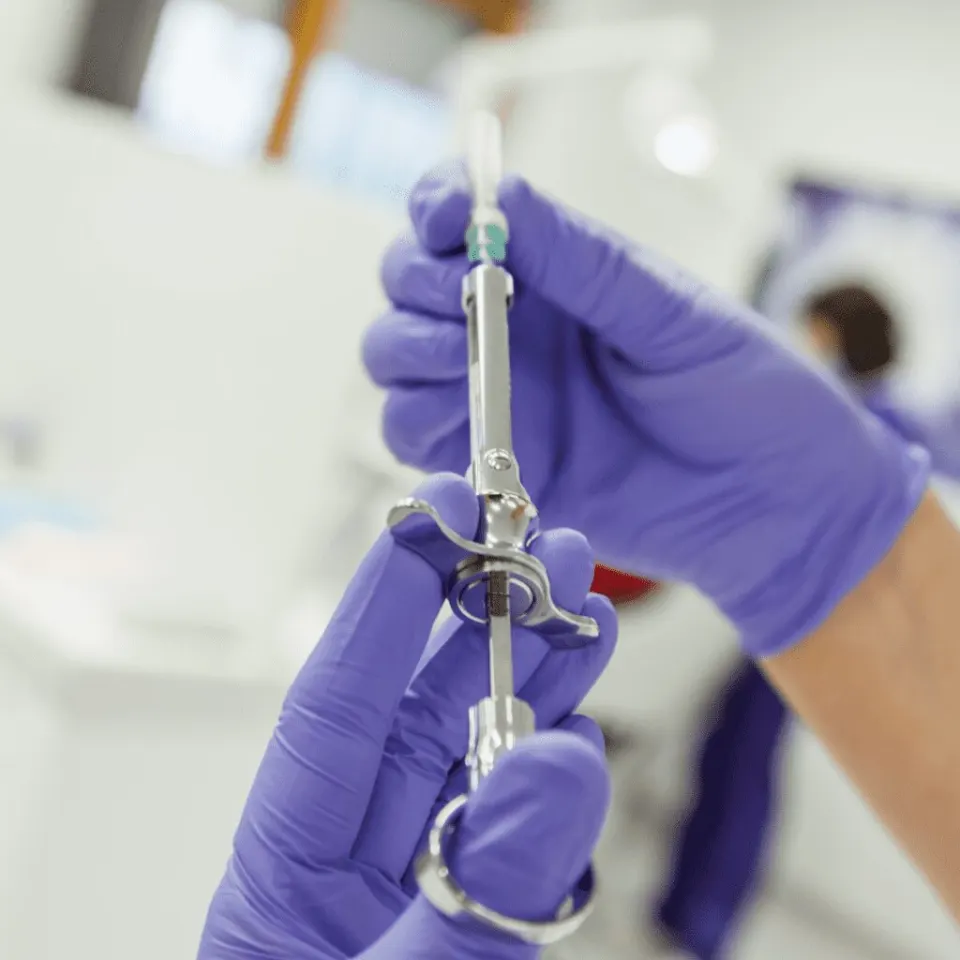
In this article 11 sections
Whether you're preparing for a dental implant, plastic surgery, a hair transplant or eye surgery, one of the most common concerns is the anesthesia: what type will you have, will you be awake, is it safe — and is it safe abroad?
This guide answers those questions in plain language. Rather than a generic medical textbook overview, it explains what anesthesia actually means for your specific procedure, how to prepare, what to expect on the day, and why modern anesthesia — including at accredited clinics in Turkey — is remarkably safe.
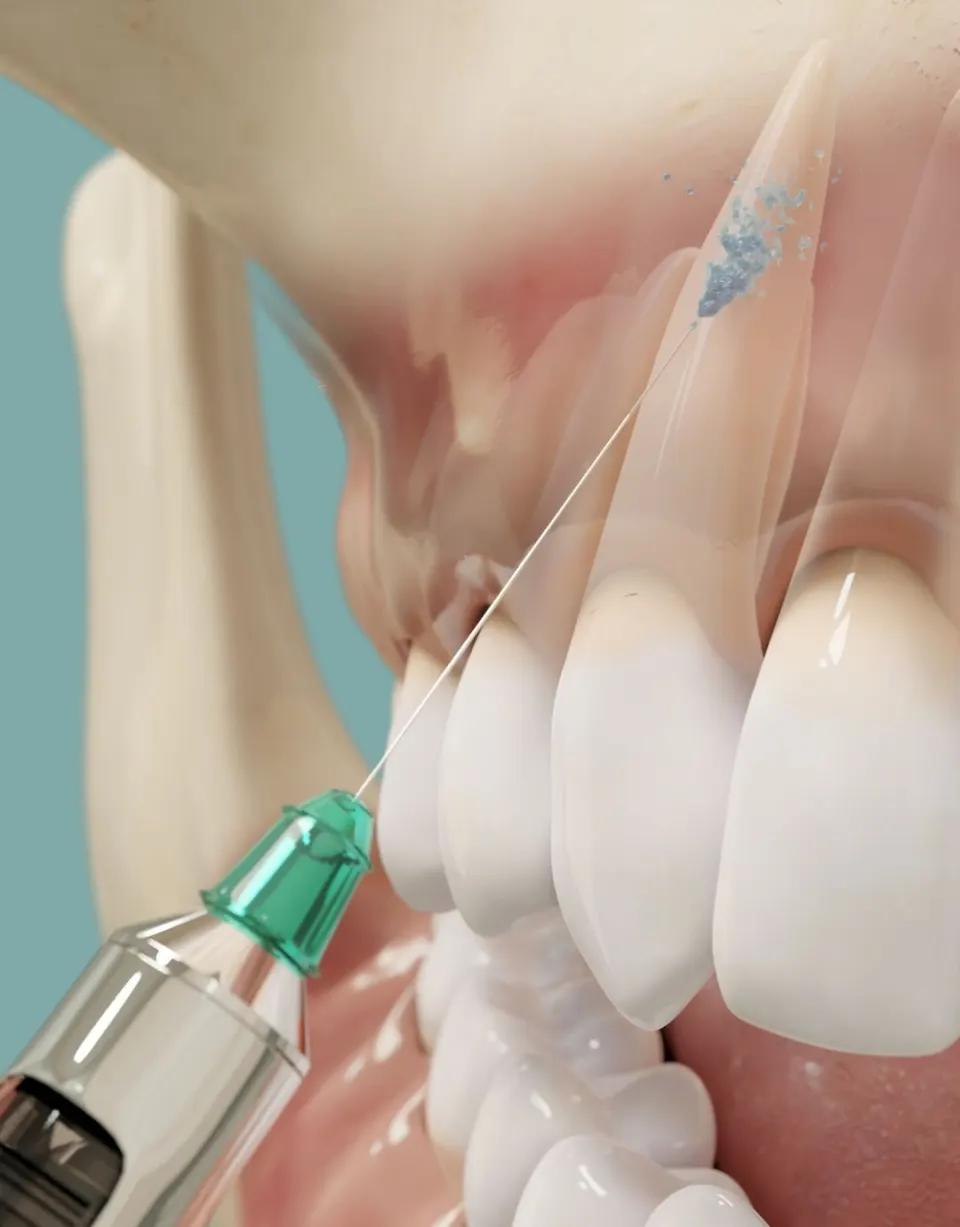
Most cosmetic and dental procedures use local anesthesia (you're awake, the area is numb) or sedation (relaxed and drowsy) — not full general anesthesia. Bigger operations (a tummy tuck, BBL) use general anesthesia. Which one you'll have depends entirely on the procedure. Modern anesthesia is very safe when delivered by a qualified anesthesiologist with proper monitoring — including at accredited international clinics.
The types of anesthesia, briefly
There are four broad types, from lightest to deepest:
- Local anesthesia: numbs a small, specific area with an injection. You stay fully awake. Used for most dental work, hair transplants and minor procedures.
- Sedation ("twilight"): medication that leaves you relaxed and drowsy — often with little memory of the procedure — but not fully unconscious. Common for anxious patients and minor surgery. See sedation dentistry.
- Regional anesthesia: numbs a larger region (e.g. a whole limb) via a nerve block. Used for some orthopedic and childbirth procedures.
- General anesthesia: renders you fully unconscious, usually via IV and a breathing tube, for larger or longer operations.
Anesthesia isn't one-size-fits-all — the right choice balances the procedure's size, its length, your health and your comfort. That decision is made by an anesthesiologist, a doctor who specialises in anesthesia and monitors you throughout.
What anesthesia you'll have, by procedure
| Procedure | Usual anesthesia | Awake? |
|---|---|---|
| Dental implant / crown / veneers | Local (± sedation) | Yes |
| Full-mouth / All-on-4 | Local + sedation (sometimes general) | Usually |
| Hair transplant (FUE/DHI) | Local | Yes |
| Rhinoplasty, facelift, breast, BBL, tummy tuck | General | No |
| Liposuction (small area) | Local/sedation or general | Varies |
| Cataract / lens / LASIK | Topical/local (± light sedation) | Yes |
| Bariatric (gastric bypass/sleeve) | General | No |
Dental & implant anesthesia
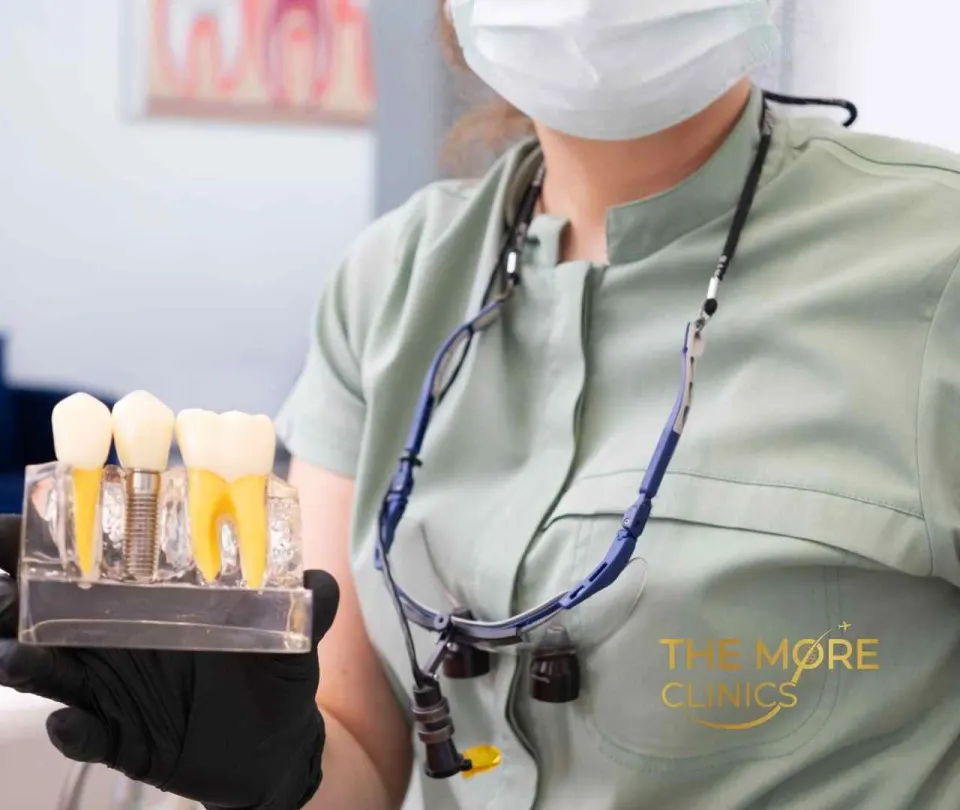
Most dental work — including dental implants, crowns and veneers — is done under local anesthesia: a numbing injection at the site, so you're awake but feel no pain. For anxious patients, or longer sessions like a full smile makeover or cosmetic dentistry, sedation can be added so you're calm and relaxed throughout.
Larger surgical cases (full-mouth rehabilitation, multiple implants with grafting) may use deeper sedation or occasionally general anesthesia. If dental anxiety is your concern, our guide to sedation dentistry explains the calming options in detail.
Plastic surgery anesthesia
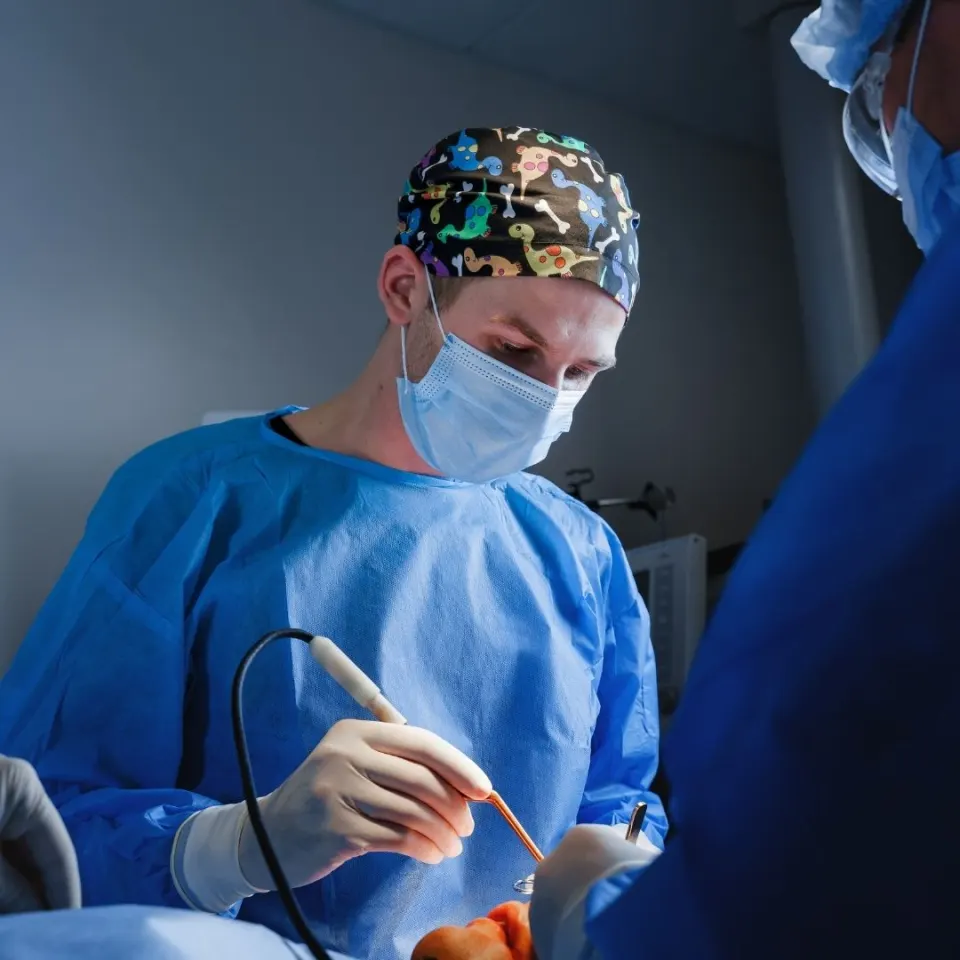
Most major cosmetic surgery — rhinoplasty, facelift, breast surgery, BBL, tummy tuck — is performed under general anesthesia, so you're fully asleep and comfortable for the entire operation. Smaller procedures (a small liposuction area, minor revisions) may be done under local anesthesia with sedation.
For any general anesthetic, an anesthesiologist reviews your health beforehand, manages the anesthesia during surgery, and monitors your recovery afterward. One important preparation point specific to surgery: smoking significantly affects both anesthesia safety and healing — see our guide to smoking and surgery.
Hair transplant anesthesia
A hair transplant is performed under local anesthesia only. The scalp is numbed with injections, after which you feel no pain during the procedure — you're awake and can relax, watch a film, or even nap. The initial numbing injections are the part most patients find slightly uncomfortable, and modern clinics use techniques (fine needles, vibration, sometimes needle-free devices) to minimise even that. Because it's local-only, a hair transplant avoids the risks associated with general anesthesia entirely.
Eye surgery anesthesia
Most eye procedures — cataract surgery, lens replacement, LASIK — use topical or local anesthesia (numbing drops or a small injection around the eye), often with light sedation to help you relax. You stay awake but feel no pain, and the procedures are typically quick. General anesthesia is reserved for specific cases (such as children or complex surgery). Your eye surgeon and anesthesiologist choose based on the procedure and your needs.
Is anesthesia safe abroad? What to look for
This is a completely reasonable question for anyone considering treatment in another country — and the answer is that anesthesia at a reputable, accredited clinic is very safe. What makes it safe is the same anywhere in the world:
- A qualified anesthesiologist — a specialist doctor (not a technician) administering and monitoring the anesthesia.
- Proper monitoring equipment — continuous tracking of heart rate, blood pressure, oxygen and breathing throughout.
- A pre-anesthetic assessment — your medical history, medications and allergies reviewed before the procedure.
- Accreditation — internationally recognised standards (e.g. JCI, ISO) and licensed facilities.
- A recovery protocol — a monitored recovery area and clear aftercare.
When you're choosing a clinic abroad, it's entirely appropriate to ask who will administer your anesthesia, what monitoring is used, and what accreditations the facility holds. A reputable clinic answers these openly. The key isn't the country — it's the qualifications and standards of the specific clinic and its anesthesia team.
Two factors that affect your anesthesia safety
Certain personal factors matter more than where you have surgery. Smoking increases airway and breathing complications under anesthesia (see smoking & surgery), and uncontrolled diabetes or other health conditions can raise risk (see diabetes & surgery). Optimising these before your procedure — and disclosing everything to your anesthesiologist — is the most powerful thing you can do for a safe anesthetic.
How to prepare for anesthesia
- Share your full medical history — allergies, all medications and supplements, and any past reactions to anesthesia. This is the single most important safety step.
- Follow fasting instructions — for sedation or general anesthesia you'll usually be asked not to eat or drink for a set period beforehand, to prevent complications.
- Stop smoking — ideally weeks ahead; it improves both anesthesia safety and healing.
- Arrange recovery support — after sedation or general anesthesia you can't drive, so plan for someone to accompany you.
- Wear comfortable clothing and remove jewellery on the day.
- Ask questions — understanding your anesthesia plan reduces anxiety and helps you prepare properly.
What about side effects?
Most anesthesia side effects are temporary and resolve within 24 hours — often sooner. Common ones include drowsiness, dizziness, nausea, and (after a breathing tube) a mild sore throat. After general anesthesia you may feel foggy, tired or briefly confused as it wears off. Serious complications are uncommon with proper assessment and monitoring, and your team watches you closely during and after the procedure. Contact your medical team promptly if you have severe or persistent pain, difficulty breathing, or any signs of an allergic reaction.
Anesthesia — Frequently Asked Questions
Will I be awake during my procedure?
It depends. Dental work, hair transplants and most eye procedures use local anesthesia, so you're awake but feel no pain. Major plastic surgery (facelift, tummy tuck, BBL) and bariatric surgery use general anesthesia, so you're fully asleep. Sedation is an in-between option that keeps you relaxed and drowsy.
What anesthesia is used for dental implants?
Usually local anesthesia — the area is numbed and you're awake, with pain controlled by the anesthetic. For anxious patients or longer sessions, sedation can be added. Larger cases like full-mouth implants may use deeper sedation or occasionally general anesthesia.
Is a hair transplant done under general anesthesia?
No — hair transplants are done under local anesthesia only. Your scalp is numbed, so you feel no pain, and you stay awake and relaxed throughout. This avoids the risks of general anesthesia entirely.
Is anesthesia safe?
Modern anesthesia is very safe when delivered by a qualified anesthesiologist with proper monitoring. Most side effects are mild and temporary. Personal factors like smoking, uncontrolled diabetes and certain health conditions raise risk, which is why a pre-anesthetic assessment matters.
Is anesthesia safe at clinics abroad?
Yes, at reputable accredited clinics. Safety comes from a qualified anesthesiologist, proper monitoring equipment, a pre-anesthetic assessment and accreditation — not from the country itself. It's fair to ask any clinic who administers your anesthesia and what standards they follow.
Can I eat or drink before anesthesia?
For local anesthesia (most dental and hair procedures), usually yes. For sedation or general anesthesia, you'll be given fasting instructions — typically no food or drink for a set period beforehand — which are important to follow for safety.
How long does it take to recover from general anesthesia?
You'll usually start waking within minutes in a monitored recovery area, but full recovery (clear-headedness, no grogginess) can take several hours to a day. You shouldn't drive or make important decisions for the rest of that day.
Can I be allergic to anesthesia?
True allergy is rare but possible, which is why you should always tell your team about any known allergies or past reactions. They can then plan accordingly for your safety.
Does smoking affect my anesthesia?
Yes — smoking increases airway and breathing complications under anesthesia and raises overall surgical risk. Stopping beforehand improves both anesthesia safety and healing; see our smoking and surgery guide.
The Last Word from The More Clinics
The type of anesthesia you'll have is matched to your procedure — local or sedation for most dental, hair and eye treatments; general for major surgery. Whatever it is, modern anesthesia is very safe in the hands of a qualified anesthesiologist with proper monitoring, whether at home or at an accredited clinic abroad. The most powerful things you can do are simple: disclose your full medical history, follow the fasting and preparation instructions, stop smoking beforehand, and ask questions until you feel comfortable.
If you'd like to know exactly what anesthesia your treatment involves and how we keep it safe, our team is happy to explain. A WhatsApp consultation is free and without obligation.
Related: Sedation dentistry · Dental implants · Plastic surgery · Hair transplant · Eye clinic · Smoking & surgery · Diabetes & surgery
Written by The More Editorial Team and Medically Reviewed by Dr. Onur Ademhan, specialist in Oral and Maxillofacial Surgery and Implantology. See Editorial Process. Last Updated: [25 August 2026]
Medical disclaimer: This guide is for general informational purposes only and does not replace personal medical advice. The type of anesthesia suitable for you is determined by your surgeon and anesthesiologist based on the procedure, your health and your medical history. Always disclose your full medical history, medications and allergies before any procedure.
This article provides general information and does not replace an individual medical assessment, diagnosis or treatment advice. Discuss decisions about your health and treatment with your treating clinician.