Dental Veneers: Types, Costs & Complete 2026 Guide
Talk to our team
In this article 11 sections
Dental veneers are thin custom-made shells bonded to the front surface of teeth to permanently improve their shape, colour, size and alignment. They are the most popular cosmetic dentistry treatment in the world — and for good reason: a full veneer smile transformation takes one trip, lasts 10–25 years, and produces results that look completely natural. This guide covers everything: types, candidacy, costs by country, procedure, and the honest pros and cons no one else tells you.
| How long do porcelain veneers last? | 10–15 years. E-Max: 15–20 years. |
| Are veneers permanent? | Yes — enamel removal is irreversible |
| Cost per veneer — USA | $900 – $2,500 |
| Cost per veneer — UK | £600 – £1,500 |
| Cost per veneer — Turkey (all-incl.) | $150 – $350 |
| Can veneers fix crooked teeth? | Mild crookedness yes — severe crowding no |
| Best veneer type for front teeth | E-Max porcelain — most natural-looking |
What are dental veneers?
A dental veneer is a wafer-thin shell — typically 0.3–0.7mm thick — made from porcelain or composite resin, permanently bonded to the front surface of a tooth. Unlike a crown, which covers the entire tooth, a veneer covers only the visible front face. The tooth is lightly prepared (a small amount of enamel removed) to create space for the veneer to sit flush with the natural gum line and adjacent teeth.
Veneers do not move teeth — they change how teeth look. A mild rotation, gap, discolouration, chip or uneven edge can be corrected in a single set of veneers. For severely crooked or crowded teeth requiring actual repositioning, orthodontics is the right first step. For detail on that decision: Crooked Teeth Treatment Guide →
Who is a candidate for dental veneers?
The best candidates for veneers have:
- Discoloured or stained teeth that do not respond to whitening — tetracycline staining, fluorosis, internal discolouration
- Chipped, cracked or worn front teeth
- Mild misalignment or rotation — where the cosmetic result is the goal, not orthodontic correction
- Small gaps between front teeth (diastema) that they want closed
- Worn or short teeth from grinding (after bruxism is controlled)
- Uneven or differently-sized teeth creating an inconsistent smile line
Veneers are NOT appropriate for: teeth with active decay or untreated gum disease (must be treated first), teeth with very little enamel remaining (crowns are more appropriate), severe crowding requiring orthodontic correction, or patients who grind heavily without a night guard. Notably: Can you get veneers with missing teeth? →
Types of dental veneers — all compared
| Type | Material | Best for | Lifespan | Turkey cost |
|---|---|---|---|---|
| E-Max (lithium disilicate) | Lithium disilicate ceramic | Front teeth — maximum aesthetics + strength | 15–20 yrs | $180–$350 |
| Porcelain (feldspathic) | Traditional dental porcelain | Ultimate aesthetics, artistic shade matching | 10–15 yrs | $180–$320 |
| Zirconia veneers | Zirconium dioxide | Strength priority, grinders, back teeth | 15–25 yrs | $150–$280 |
| Lumineers | Ultra-thin porcelain (0.2mm) | Minimal prep — no enamel removal | 10–15 yrs | $200–$350 |
| Composite veneers | Tooth-coloured resin | Budget option, minor corrections, reversible | 5–7 yrs | $80–$180 |
E-Max vs composite veneers — the honest comparison
| Factor | E-Max porcelain | Composite resin |
|---|---|---|
| Natural appearance | ★★★★★ | ★★★ |
| Stain resistance | Excellent | Moderate — stains over time |
| Lifespan | 15–20 years | 5–7 years |
| Repairability | Must replace if chipped | Can be repaired chairside |
| Cost (Turkey, per tooth) | $180–$350 | $80–$180 |
| Preparation required | Minimal enamel removal | Often none |
Verdict: For a long-lasting, natural-looking result — E-Max is the right choice. For a temporary correction or a test drive before committing to porcelain — composite is reasonable. Most patients who start with composite veneers eventually upgrade to E-Max.
Dental veneers cost worldwide — 2026
| Country | E-Max / porcelain | Composite | Full smile (10) | Saving vs Turkey |
|---|---|---|---|---|
| 🇹🇷 Turkey (all-incl.) | $180–$350 | $80–$180 | $1,800–$3,500 | — |
| 🇺🇸 USA | $900–$2,500 | $600–$1,300 | $9,000–$25,000 | 75–85% |
| 🇬🇧 UK | £600–£1,500 | £300–£700 | £6,000–£15,000 | 70–80% |
| 🇩🇪 Germany | €500–€1,200 | €300–€700 | €5,000–€12,000 | 70–80% |
| 🇦🇺 Australia | AUD 1,200–2,500 | AUD 600–1,200 | AUD 12,000–25,000 | 75–85% |
For full Turkey veneer cost detail, packages and what's included: Dental Veneers Turkey Antalya — Full Guide →
The dental veneer procedure — step by step
| Step | What happens | Timing |
|---|---|---|
| 1. Consultation | Clinical assessment, X-rays, photos, shade discussion. Treatment plan agreed — number of veneers, material, shape and shade. | Day 1 |
| 2. Preparation | Under local anaesthesia, 0.3–0.7mm of enamel removed from front surface of each tooth. Composite veneers: minimal or no removal. This step is irreversible. | Day 1–2 |
| 3. Impressions | Digital scan or physical impressions sent to the laboratory. Shade photographs taken for colour matching. Temporary veneers placed while permanents are fabricated. | Day 2 |
| 4. Laboratory | Veneers milled, layered or pressed in the lab — 2–4 days. E-Max and porcelain veneers are individually characterised (stained, glazed) to match natural tooth translucency. | Days 3–5 |
| 5. Bonding | Fit checked, colour verified. Teeth etched and primed. Veneers bonded with dental adhesive, cured with UV light. Bite checked. Final polish. | Day 5–6 |
Dental veneers pros and cons — the honest assessment
- Instant, dramatic smile transformation
- Natural-looking — light transmission like enamel
- Highly stain-resistant (porcelain)
- Long-lasting — 15–20 years with care
- Corrects multiple issues in one treatment
- Conservative vs crowns — less tooth removal
- Custom-made shade — whiter or natural
- Irreversible — enamel removal permanent
- Cannot whiten after placement
- Fracture risk on hard food or grinding
- Sensitivity possible — usually temporary
- Not suitable for teeth with heavy decay
- Require replacement after 10–20 years
- Wrong on severely crowded teeth
Before and after — dental veneers
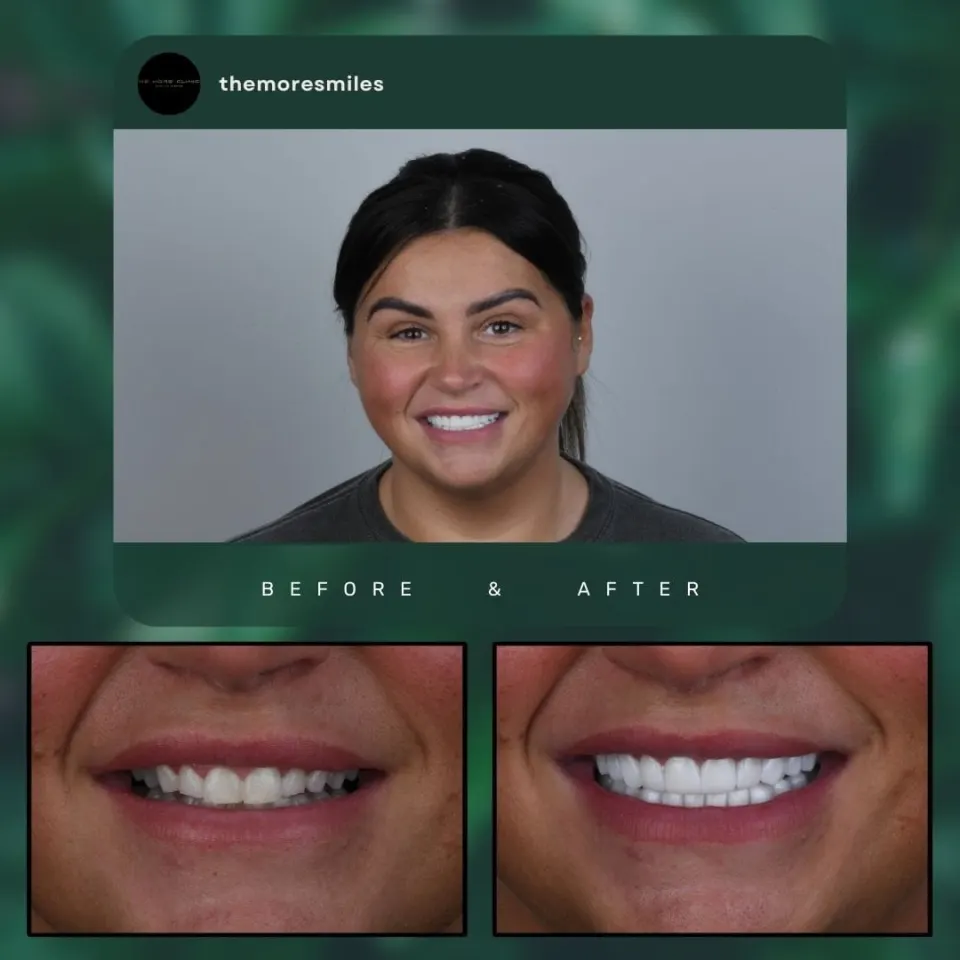
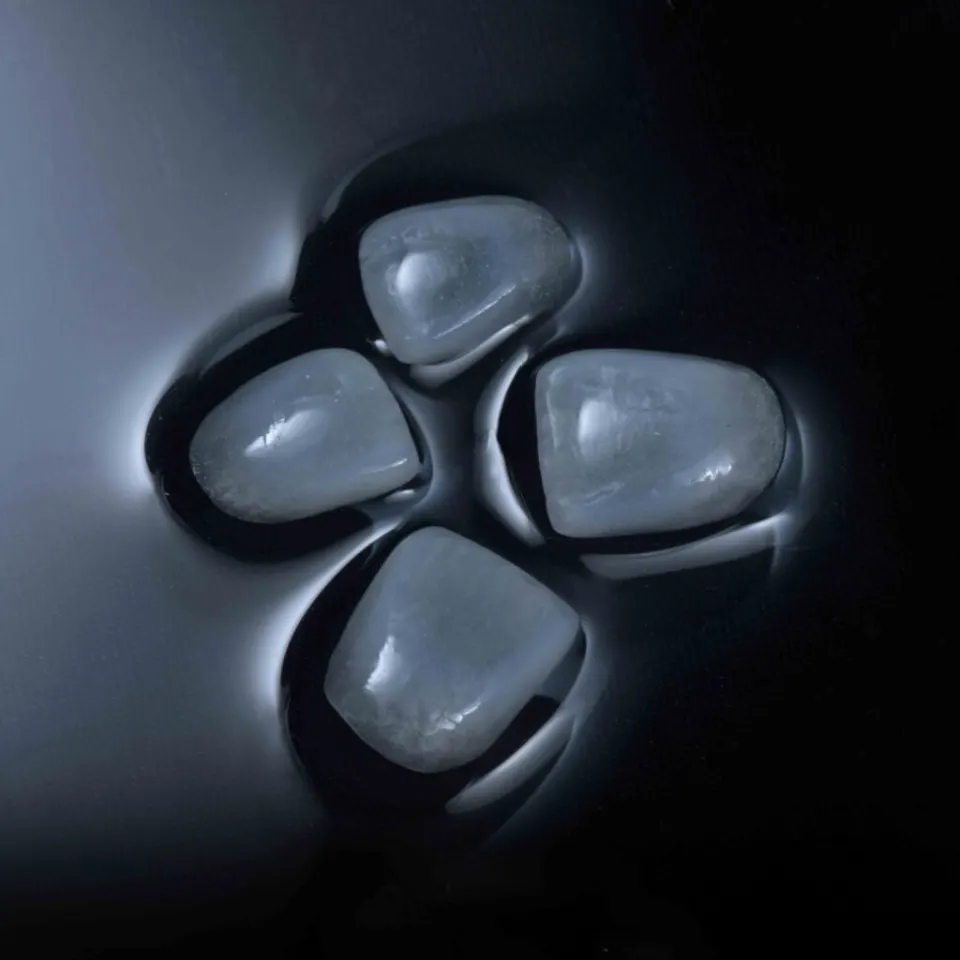
E-Max veneers — full smile transformation
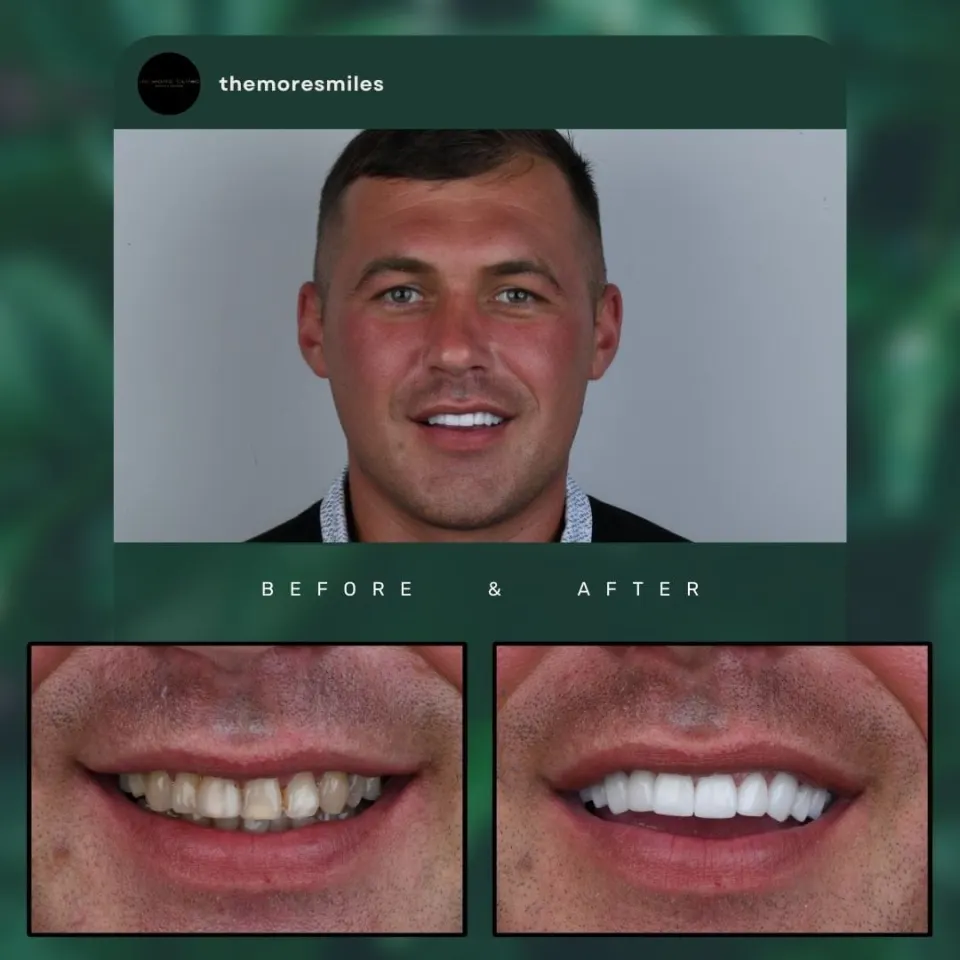
Porcelain veneers — natural shade matched
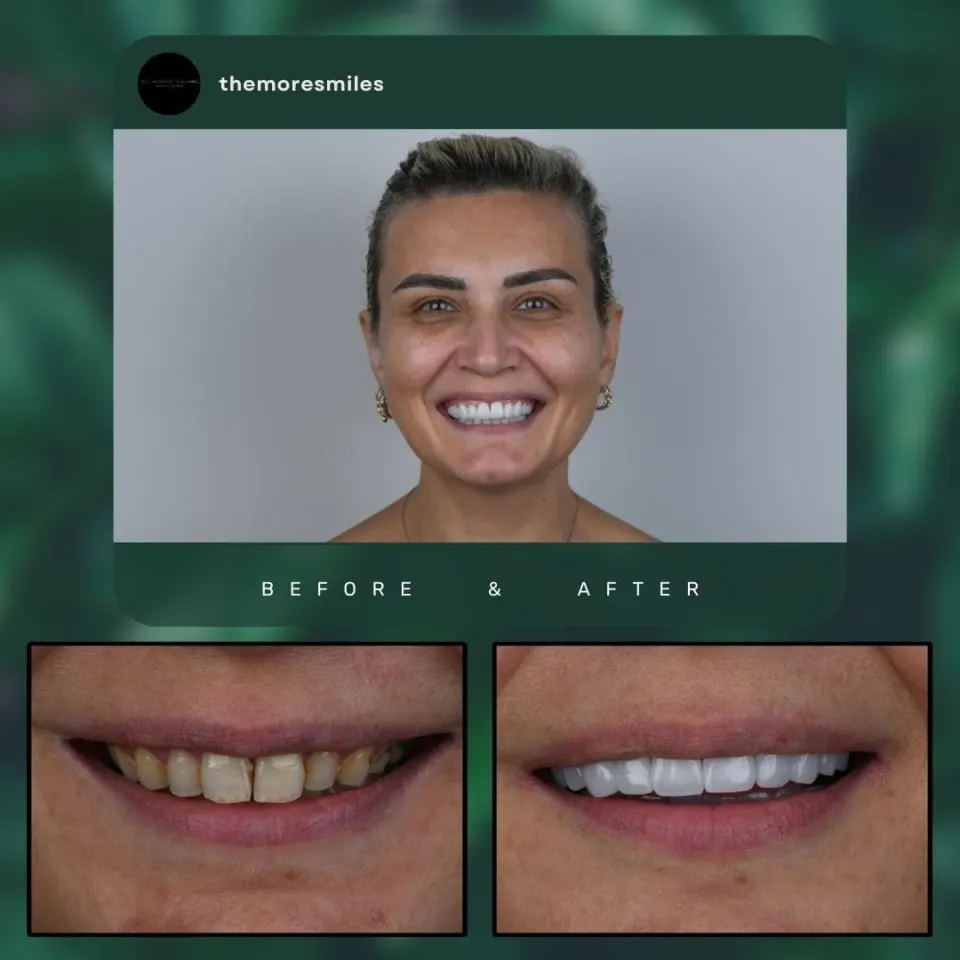
Laminate veneers — even smile line
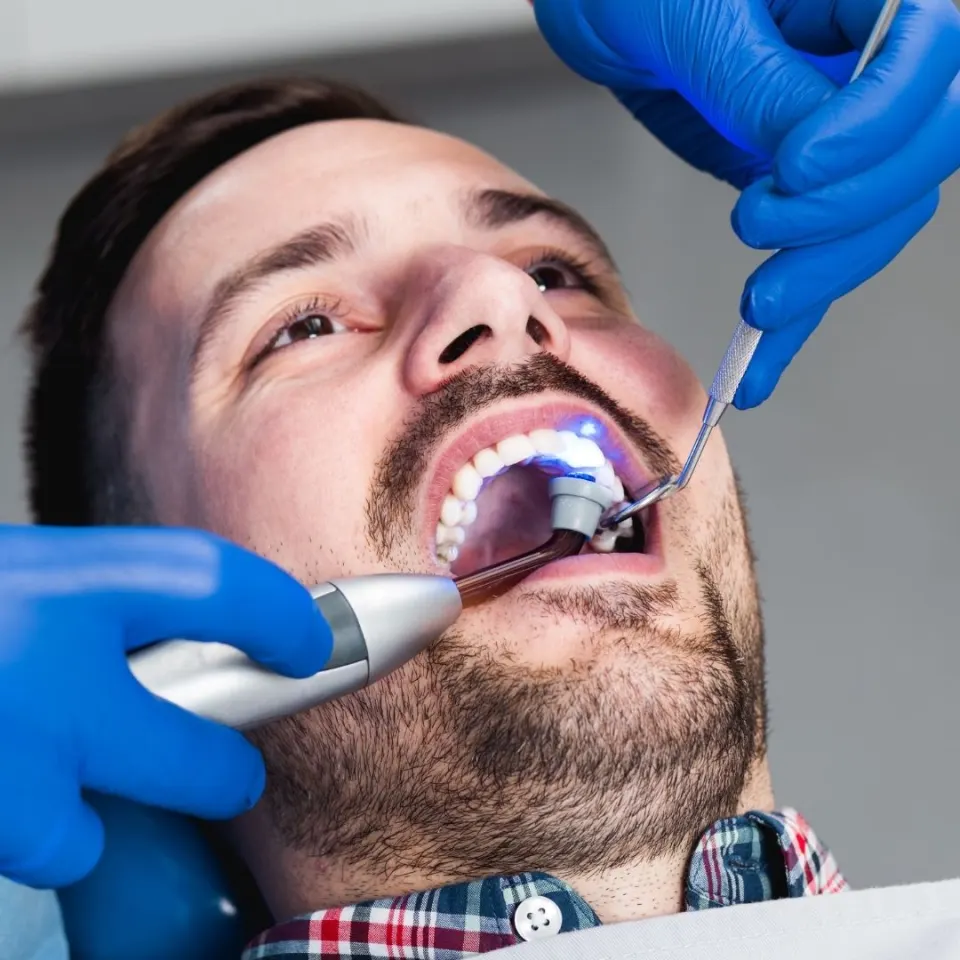
Smile makeover — veneers + whitening shade
How to care for dental veneers
- Brush twice daily with a soft brush and non-abrasive fluoride toothpaste — whitening toothpastes dull the veneer glaze
- Floss daily — paying attention to the veneer margins at the gum line
- Avoid biting hard objects — ice, nails, bottle tops, hard bread crusts
- Night guard if you grind — bruxism is the fastest route to veneer fracture
- Limit staining agents — coffee, red wine, cigarettes affect the cement line even on stain-resistant porcelain
- Regular check-ups — every 6–12 months to assess veneer margins and gum health
Full aftercare guide: Veneers Aftercare Tips →
Frequently asked questions — dental veneers
Are dental veneers painful?
The preparation is done under local anaesthesia — you feel no pain during the appointment. Some patients experience mild sensitivity for a few days after preparation, when temporary veneers are in place. This settles before the permanent veneers are bonded. Once permanently bonded, veneers do not cause pain. Severe or worsening sensitivity after placement is uncommon and should be assessed.
How long do dental veneers last?
E-Max and porcelain veneers: 15–20 years with proper care. Composite veneers: 5–7 years. The limiting factors are: cement degradation at the margin (leading to micro-leakage), fracture from grinding or hard food, and gum recession exposing the veneer margin. A patient who maintains excellent oral hygiene, wears a night guard if they grind, and attends regular check-ups can expect the upper end of these ranges.
Can veneers fix gaps in teeth?
Yes — veneers are one of the most effective ways to close small to moderate gaps (diastema) without orthodontics. The veneer is shaped slightly wider than the natural tooth to close the space. For large gaps, your dentist will advise whether veneers alone can close the gap without producing teeth that look unnaturally wide — in some cases, a short course of orthodontics before veneers produces a better aesthetic result.
Can I get veneers with missing teeth?
This depends on the location and number of missing teeth. Veneers are placed on existing teeth — gaps from missing teeth need to be addressed with a bridge or implant first. For detail: Can You Get Veneers With Missing Teeth? →
What is the difference between a veneer and a crown?
A veneer covers only the front face of the tooth — minimal preparation, preserves more natural tooth. A crown covers the entire tooth — used when the tooth is damaged, has large existing fillings, or has had root canal treatment. Veneers are the right choice for aesthetically motivated treatment on healthy teeth. Crowns are right when structural reinforcement is also needed. Your dentist assesses which applies based on the amount of healthy tooth structure remaining.
Can dental veneers be whitened?
No — ceramic veneer materials (E-Max, porcelain) do not respond to whitening agents. The shade is fixed at fabrication. If you plan to whiten your teeth, do so before veneers are made — the veneers are then matched to your whitened shade. Attempting to whiten after veneer placement will lighten surrounding natural teeth without affecting the veneers, creating a colour mismatch.
What is composite bonding vs porcelain veneer?
Composite bonding applies tooth-coloured resin directly to the tooth in a single appointment — no lab, no temporaries. It is reversible, repairable, and significantly cheaper. Porcelain veneers are laboratory-made, more natural-looking, more stain-resistant, and last 2–3x longer. Composite is a reasonable starting point for minor corrections or younger patients; porcelain is the long-term solution for patients who want the best possible result that holds for 15+ years.
The Last Word from The More Clinics
Dental veneers are the most powerful cosmetic dentistry tool available — and the most commonly misused. The right candidate, the right material, minimal preparation, and an honest clinical assessment produce results that last decades and look completely natural. The wrong candidate, over-preparation, or a purely cosmetic rationale applied to teeth that need orthodontics produces exactly the result that earns the "Turkey teeth" label — which has nothing to do with Turkey and everything to do with clinical ethics.
At The More Clinics, we start every veneer consultation with the question: does this patient need veneers, or is there a better solution? That honest assessment is the first step toward a result you'll be confident about for 15 years.
Get a Free Assessment → WhatsApp Us →
Medical disclaimer: This guide is for informational purposes only. Veneer suitability depends on individual clinical assessment. Consult a qualified dentist before booking treatment.

This Article is medically reviewed by Cosmetic Dentist Yusuf Algabri, August 13, 2026
This article provides general information and does not replace an individual medical assessment, diagnosis or treatment advice. Discuss decisions about your health and treatment with your treating clinician.