Upper and Lower Blepharoplasty Cost; Procedure with Before and After Transformations
Talk to our team
In this article 16 sections
Blepharoplasty — eyelid surgery — is one of the most performed cosmetic surgeries in the world, and consistently ranks in the top five cosmetic procedures globally. Upper blepharoplasty corrects drooping upper eyelids that can impair vision or create a tired appearance; lower blepharoplasty addresses under-eye bags and puffiness; double blepharoplasty combines both in a single procedure. This complete guide covers procedure types, exact blepharoplasty cost by country, candidacy, what the surgery involves, recovery, risks, and before and after results.
| Upper blepharoplasty cost — USA | $3,000 – $5,000 |
| Upper blepharoplasty cost — UK | £2,000 – £4,500 |
| Upper blepharoplasty cost — Turkey | $1,200 – $2,000 |
| Upper and lower blepharoplasty cost — USA | $5,000 – $10,000 |
| Upper and lower blepharoplasty cost — UK | £4,000 – £8,000 |
| Upper and lower blepharoplasty cost — Turkey | $2,000 – $3,500 |
| Procedure duration | 1–2 hours (upper only) / 2–4 hours (combined) |
| Results longevity | 10–15 years typically |
What is blepharoplasty?
Blepharoplasty is a surgical procedure that reshapes the eyelids by removing or repositioning excess skin, muscle, and fat. The procedure can be performed on the upper eyelids, lower eyelids, or both. Beyond cosmetics, upper blepharoplasty is clinically indicated when drooping eyelid skin (dermatochalasis) impairs the upper visual field — in such cases, the procedure may be partially covered by health insurance as a functional surgery.
As we age, the skin on the eyelids gradually loses elasticity and begins to sag. The orbicularis muscle weakens, and fat pockets around the eye shift and prolapse — producing the classic "hooded eyelid" appearance above and the under-eye bag below. Blepharoplasty directly addresses these structural changes.
Types of blepharoplasty — full comparison
| Type | What it corrects | Duration | Anaesthesia | Turkey cost |
|---|---|---|---|---|
| Upper blepharoplasty | Drooping upper lids, hooded eyes, impaired vision from excess skin | 1–2 hrs | Local ± sedation | $1,200–$2,000 |
| Lower blepharoplasty | Under-eye bags, puffiness, wrinkles, dark hollows beneath the eye | 1–2 hrs | Local ± sedation | $1,500–$2,500 |
| Double blepharoplasty | Both upper and lower — comprehensive rejuvenation in one procedure | 2–4 hrs | General / IV sedation | $2,000–$3,500 |
| Asian blepharoplasty | Creates or defines upper eyelid crease (supratarsal fold) — not present in all ethnicities | 1–2 hrs | Local | $1,500–$2,500 |
| Functional blepharoplasty | Medically necessary — upper lid skin impairing the visual field; may be insurance-covered | 1–2 hrs | Local ± sedation | $1,200–$2,000 |
Upper blepharoplasty — what happens
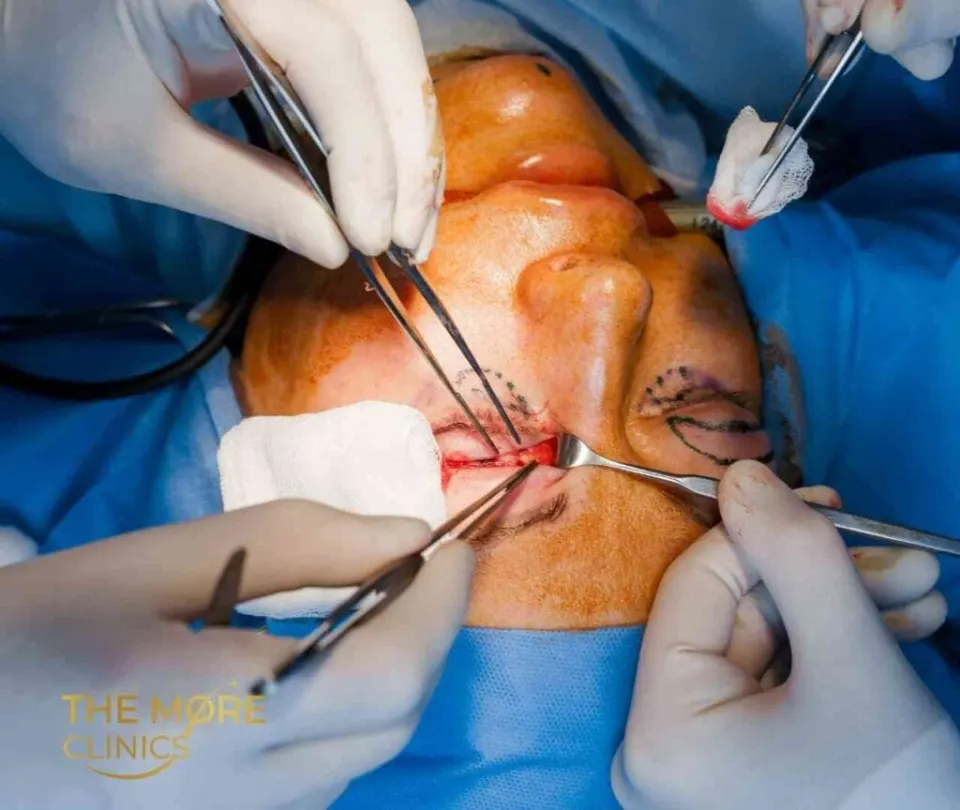
Upper blepharoplasty is performed under local anaesthesia with or without sedation. The surgeon makes an incision along the natural crease of the upper eyelid — a location that conceals the scar within the fold. Excess skin is removed, and in some cases the orbicularis oculi muscle is partially trimmed. If fat prolapse is contributing to puffiness in the inner corner of the upper lid, a small amount of fat is removed or redistributed.
The incision is closed with very fine sutures, which are removed at 5–7 days. The procedure typically takes 60–90 minutes for both upper lids. The scar, hidden within the eyelid crease, becomes virtually invisible within 3–6 months as it matures. For functional upper blepharoplasty: a visual field test is documented pre-operatively to quantify the degree of obstruction — this documentation is necessary for insurance reimbursement claims.
Lower blepharoplasty — two approaches
Lower blepharoplasty has two surgical approaches, each indicated for different clinical presentations:
Incision made just below the lash line. Access to skin, muscle, and fat. Allows skin removal for patients with excess lower lid skin — essential for those with significant wrinkling or laxity.
Best for: patients with excess skin + fat together
Incision made inside the eyelid — no external scar. Fat is removed or repositioned without touching the skin. Cannot address skin excess.
Best for: younger patients with fat pockets only, good skin elasticity
Modern lower blepharoplasty increasingly uses fat repositioning rather than fat removal — moving the prolapsed fat into the tear trough depression beneath the eye, rather than simply excising it. This addresses both the puffiness above and the hollow below, producing a more natural rejuvenated result than pure fat removal.
Blepharoplasty cost — by country 2026
Upper blepharoplasty cost by country
| Country | Upper blepharoplasty cost | Lower blepharoplasty cost | Combined (upper + lower) cost |
|---|---|---|---|
| 🇹🇷 Turkey (all-incl.) | $1,200 – $2,000 | $1,500 – $2,500 | $2,000 – $3,500 |
| 🇺🇸 USA | $3,000 – $5,000 | $4,000 – $7,000 | $5,000 – $10,000 |
| 🇬🇧 UK | £2,000 – £4,500 | £3,000 – £6,000 | £4,000 – £8,000 |
| 🇩🇪 Germany | €2,500 – €4,500 | €3,500 – €6,000 | €4,500 – €9,000 |
| 🇨🇦 Canada | CAD 3,500 – 6,000 | CAD 4,500 – 7,000 | CAD 6,000 – 11,000 |
| 🇦🇺 Australia | AUD 4,000 – 6,500 | AUD 5,000 – 8,000 | AUD 7,000 – 12,000 |
| 🇧🇩 Bangladesh | BDT 60,000 – 120,000 | BDT 80,000 – 150,000 | BDT 120,000 – 200,000 |
| 🇶🇦 Qatar | QAR 8,000 – 15,000 | QAR 10,000 – 18,000 | QAR 14,000 – 25,000 |
What factors affect blepharoplasty cost?
- Upper only vs combined upper + lower — the single biggest cost driver. Combined procedures typically cost 60–70% more than upper alone but cost less than booking each separately.
- Technique — transconjunctival lower blepharoplasty requires more surgical skill and takes longer; fat repositioning adds time versus simple fat removal.
- Anaesthesia type — general or IV sedation costs more than local. Upper-only procedures are often done under local only; combined procedures typically require sedation.
- Functional vs cosmetic — functional upper blepharoplasty may be partially covered by health insurance or national health systems where the visual field impairment is documented.
- Surgeon experience — specialised oculoplastic surgeons (trained in both ophthalmology and plastic surgery) command higher fees than general plastic surgeons performing eyelid procedures.
- Location — lower overhead and living costs in Turkey, combined with high-volume surgical practice, produce costs 60–70% below Western private clinic rates.
Who is a candidate for blepharoplasty?
Ideal candidates:
- Adults with drooping upper eyelids that create a tired or aged appearance — or that genuinely impair the upper visual field (functional indication)
- Adults with under-eye puffiness, bags, or hollows from fat prolapse or redistribution
- Non-smokers or those willing to quit 4 weeks before and after surgery (smoking significantly increases complication risk)
- Realistic expectations — blepharoplasty refreshes and opens the eyes; it does not change bone structure or treat very deep wrinkles
- Generally good health with no uncontrolled systemic conditions
Blepharoplasty procedure — step by step
| Step | What happens | Timing |
|---|---|---|
| Consultation | Medical history review, eye examination (including visual field if functional), photographs, treatment plan. Discussion of upper only, lower only, or combined. | Pre-op |
| Marking | Surgeon marks the eyelid crease and the precise amount of skin to be removed. Patient sits upright for marking — lying down changes the tissue distribution. Marks confirmed before anaesthesia. | Day of surgery |
| Anaesthesia | Local anaesthetic injected into eyelid tissue. Sedation or general anaesthesia if combined procedure or patient preference. Full comfort for the procedure. | 15 min |
| Incision & tissue work | Upper: incision along crease, skin removed, fat addressed if needed. Lower: subciliary incision or transconjunctival incision, fat removed or repositioned. | 1–3 hrs |
| Closure | Very fine sutures or surgical adhesive. Ice packs applied immediately post-op. Brief monitoring before discharge. Instructions for home care. | 30 min |
Blepharoplasty before and after
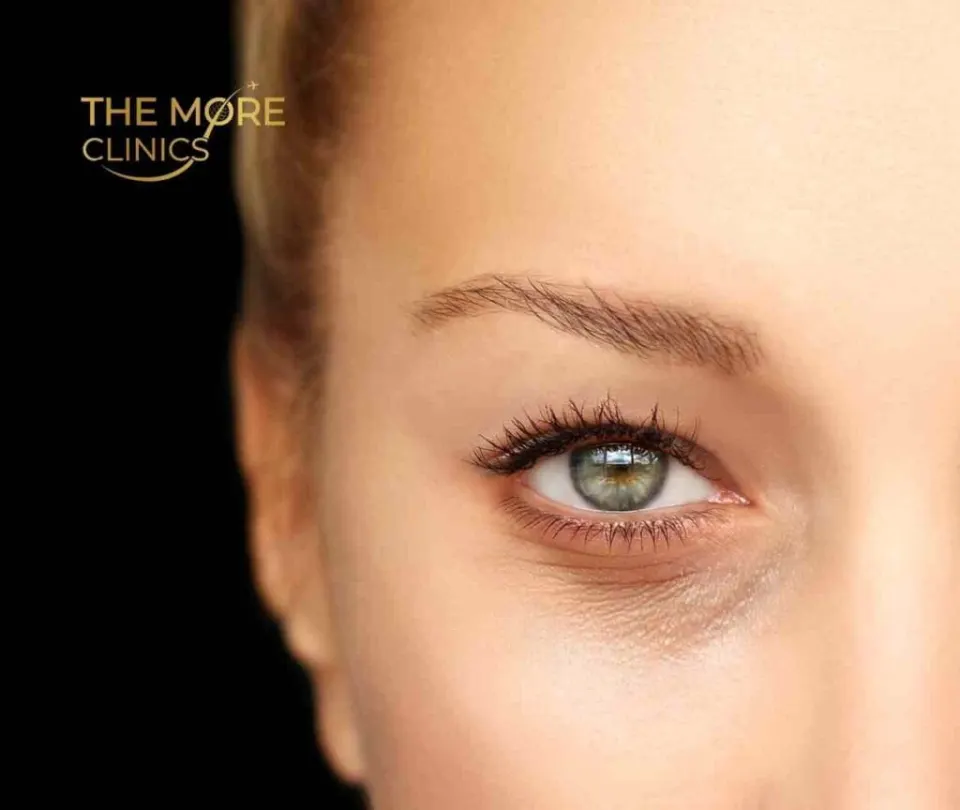
Upper blepharoplasty — hooded eyelids corrected
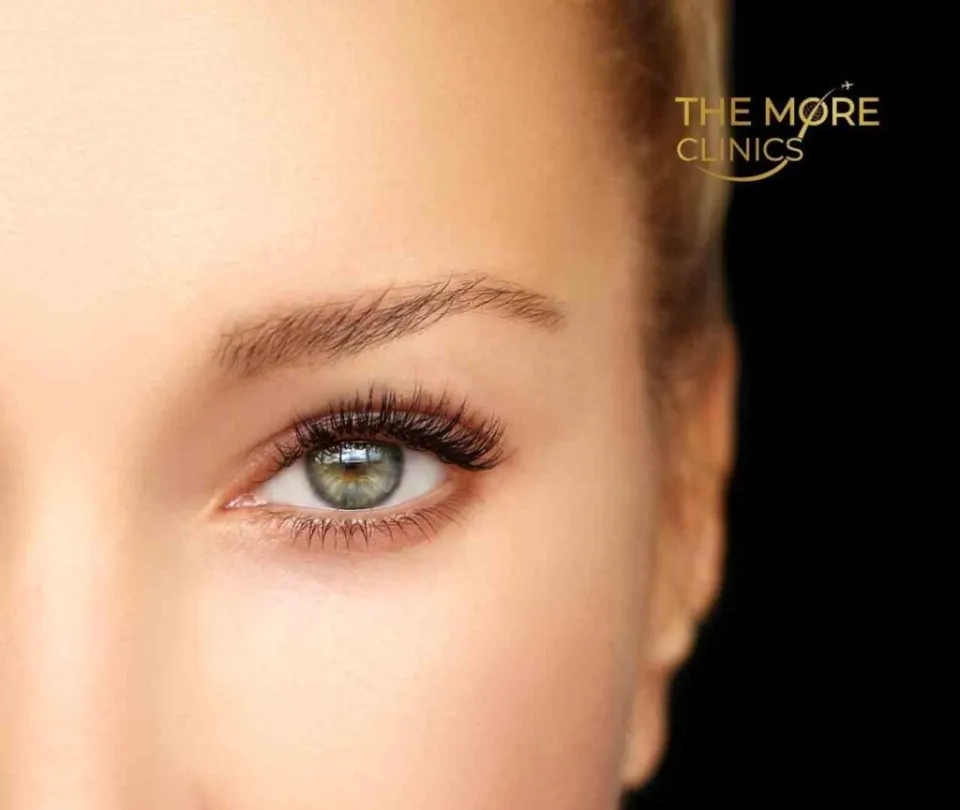
Upper blepharoplasty Turkey — natural refreshed result
For the full gallery including combined procedures: Plastic Surgery Before and After →
Recovery timeline — week by week
| Timeline | What to expect | Activity guidance |
|---|---|---|
| Days 1–2 | Swelling and bruising peaks. Temporary blurred vision from eye ointment. Some tightness around the eyes. Head elevated at all times. | Rest. Cold compresses every 20 min. Head elevated even when sleeping. |
| Days 3–5 | Bruising at its most visible but beginning to yellow at edges. Eyes can feel dry or irritated. Swelling softening. | Short gentle walks. Avoid bending, lifting. No driving. Lubricating eye drops as instructed. |
| Days 5–7 | Sutures removed (upper lid). Bruising noticeably fading. Most patients look presentable with concealer by end of week one. | Return to office work if not physical. Avoid gym, swimming, contact sport. |
| Weeks 2–4 | Most bruising resolved. Eyes appear more open. Some residual swelling — particularly in the morning. Scar still pink. | Light exercise. Avoid contact sports. SPF 50+ on scar tissue daily. |
| Months 2–3 | Result clearly visible. Eyes look refreshed and natural. Scar fading from pink to skin tone. All activities resumed. | Normal activities. Continue scar cream if surgeon recommends. |
| Months 6–12 | Final result stable. Scar virtually invisible in natural eyelid crease. Result will last 10–15 years. | Annual skin care review. Sun protection ongoing. |
Risks and complications
| Complication | Frequency | Notes |
|---|---|---|
| Temporary dry eyes | Very common | Resolves within weeks. Lubricating drops manage it. |
| Swelling and bruising | Universal | Expected — resolves within 2–3 weeks. |
| Visible scarring | Uncommon | Scars are within crease — usually imperceptible at 6 months. |
| Asymmetry | Uncommon | Minor asymmetry from swelling is expected early. Persistent asymmetry is rare. |
| Lagophthalmos (incomplete eye closure) | Rare | Usually from over-resection of skin. Most important surgeon skill: not removing too much. |
| Lower lid retraction (ectropion) | Rare | Lower lid pulling down — from aggressive skin removal. Transconjunctival approach reduces this risk. |
| Vision change / blindness | Extremely rare (<0.04%) | Retrobulbar haematoma — surgical emergency. This is why post-op monitoring matters. |
Blepharoplasty combined with other procedures
Blepharoplasty is frequently combined with other facial procedures in the same operating session:
- Canthoplasty — repositioning or tightening the outer corner of the eye (lateral canthus). Combined with blepharoplasty to address lower lid laxity or to create an almond or cat-eye appearance. See: Canthoplasty & Cat Eye Surgery →
- Browlift — when heavy brow ptosis (brow descent) is contributing to the upper lid fullness, a browlift addresses the root cause above while blepharoplasty removes the skin excess below
- Rhinoplasty — frequently combined at patient request when addressing multiple facial concerns. See: Rhinoplasty Turkey →
- Facelift — comprehensive facial rejuvenation combining eyelids with midface and lower face tightening
How to choose the right blepharoplasty surgeon
- Specialisation — ideally an oculoplastic surgeon (trained in both ophthalmology and plastic surgery) or a plastic surgeon with documented blepharoplasty subspecialty. Board certification in plastic surgery is the minimum.
- Before and after portfolio — review at least 20–30 blepharoplasty cases. Look for natural results, appropriately placed scars, and symmetry. Results that look operated or over-done are warning signs.
- Conservative philosophy — a surgeon who discusses what they will conserve, not just what they will remove, is the safer choice.
- Dry eye assessment — any surgeon not specifically asking about dry eye symptoms before upper blepharoplasty is skipping a critical step.
- Transparent cost breakdown — surgeon fee, anaesthesia, facility, and any consumables should be itemised. All-inclusive packages in Turkey cover these in one quoted price.
For blepharoplasty in Turkey with all-inclusive packages: Eyelid Surgery Turkey — Cost & Guide →
Frequently asked questions — blepharoplasty cost
What is the blepharoplasty cost in the USA?
Upper blepharoplasty in the USA costs $3,000–$5,000. Lower blepharoplasty costs $4,000–$7,000. Combined upper and lower blepharoplasty costs $5,000–$10,000. These figures typically cover surgeon fee, anaesthesia, and facility — but not any post-operative medications or consultations. Health insurance covers upper blepharoplasty only when functional visual field impairment is documented.
What is the upper and lower blepharoplasty cost in the UK?
Upper blepharoplasty in the UK costs £2,000–£4,500 at private clinics. Lower blepharoplasty costs £3,000–£6,000. Combined upper and lower blepharoplasty costs £4,000–£8,000. NHS funding is available only for functional upper blepharoplasty where visual field testing confirms significant obstruction — aesthetic cases are self-funded entirely.
Is blepharoplasty painful?
The procedure itself is not painful — local anaesthesia ensures complete comfort during surgery. Post-operatively, patients typically report mild discomfort, tightness, and itching rather than pain. This peaks at 24–48 hours and is well-managed with standard analgesics (ibuprofen and paracetamol). Most patients rate post-blepharoplasty discomfort as mild.
How long does blepharoplasty last?
Results typically last 10–15 years. The surgery removes the excess skin and fat permanently — these structures do not regenerate. The natural ageing process continues, and some patients choose a touch-up procedure after 10–15 years. Maintaining a healthy lifestyle, consistent sun protection on the eyelid skin, and avoiding smoking helps preserve results longer.
What is the best age for blepharoplasty?
There is no universally "best" age. Most patients present in their 40s to 60s when age-related changes have accumulated. Younger patients (30s) occasionally seek the procedure for hereditary features — congenitally heavy upper lids or prominent fat pockets. The procedure is appropriate whenever the clinical indication is present, not at a specific age. Upper blepharoplasty for functional reasons (visual field impairment) has no minimum age — it can be clinically indicated at any age.
Can blepharoplasty improve vision?
Yes — upper blepharoplasty is a functional as well as cosmetic procedure when the drooping upper eyelid skin physically obstructs the upper visual field. Visual field testing before and after surgery documents the improvement. This functional indication is what allows health insurance to cover the procedure in many countries. Lower blepharoplasty does not directly improve vision.
What is the difference between blepharoplasty and a brow lift?
Blepharoplasty addresses excess skin and fat on the eyelids themselves — above and below the eye. A brow lift elevates the eyebrow position, which can indirectly open the eye by raising heavy brows that are pressing down on the upper lid. Some patients benefit from blepharoplasty alone; some benefit from a brow lift alone; some need both. The distinction is made at consultation by assessing how much of the upper lid heaviness is from skin excess versus brow ptosis.
The Last Word from The More Clinics
Blepharoplasty is a precision procedure — technically straightforward in experienced hands, but unforgiving when performed by someone without true subspecialty experience in eyelid surgery. The most important decisions are: the right diagnosis (upper versus lower versus combined, functional versus cosmetic), the right surgical technique (transconjunctival versus subciliary for lower; conservative versus aggressive resection for upper), and the right surgeon.
Our plastic and cosmetic surgery team at The More Clinics performs blepharoplasty as a dedicated subspecialty — not as an occasional addition to a general aesthetic practice — with documented outcomes and a 12-month aftercare protocol for international patients.
Get a Free Consultation → WhatsApp Us →
Medical disclaimer: This guide is for informational and educational purposes only. Blepharoplasty suitability requires individual clinical assessment. Consult a qualified oculoplastic or plastic surgeon before proceeding with any eyelid surgery.
This article is medically reviewed by Dr. İsmail Gökhan Bacak, Last Update 13 August 2026
This article provides general information and does not replace an individual medical assessment, diagnosis or treatment advice. Discuss decisions about your health and treatment with your treating clinician.