The Celebrity BBL Trend 2026: From Dramatic Curves to Natural Look
Talk to our team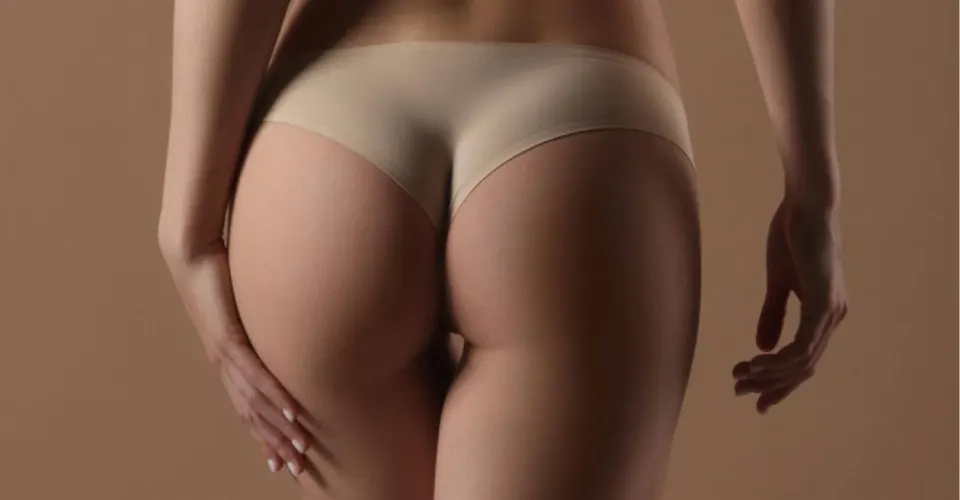
In this article 7 sections
Few cosmetic procedures have been shaped by celebrity culture as much as the Brazilian Butt Lift. From the dramatic, hourglass silhouettes that defined 2010s red carpets and social media, to the natural, athletic look dominating 2026, the "celebrity BBL" has driven one of the biggest shifts in modern aesthetics. This guide traces how the trend evolved, why it changed, and — most importantly — how to achieve a beautiful, natural result that suits your body rather than chasing a look that may already be fading.
A note on names: we don't speculate about which specific public figures have or haven't had surgery. Most never confirm it, and it isn't our place to guess. This is about the cultural trend and, more usefully, about how to get a safe, natural result you'll love long-term.
How the celebrity BBL era began
The Brazilian Butt Lift became the defining body-shape symbol of the 2010s. A generation of pop stars, reality-TV personalities and Instagram influencers popularised the hourglass silhouette — a tiny waist paired with dramatic, projected curves — and it quickly became one of the most requested cosmetic procedures in the world. Social media amplified it: every red-carpet appearance and bikini photo set a new benchmark, and the "bigger is better" mindset defined the aesthetic.
This cultural moment normalised cosmetic surgery for the public, not just celebrities. The "shelf look" — an exaggerated, almost horizontal projection with a sharp waist-to-hip transition — became the pinnacle of the trend, driven by high-profile appearances and influencer culture.
The 2026 shift: natural over dramatic
Then the vibe shifted. Around 2022, a combination of forces changed the ideal almost overnight: the rise of GLP-1 weight-loss medications (like semaglutide), the "clean girl" aesthetic, and a broader cultural swing back toward slimmer, more understated silhouettes. The dramatic curve that dominated a decade suddenly looked dated.
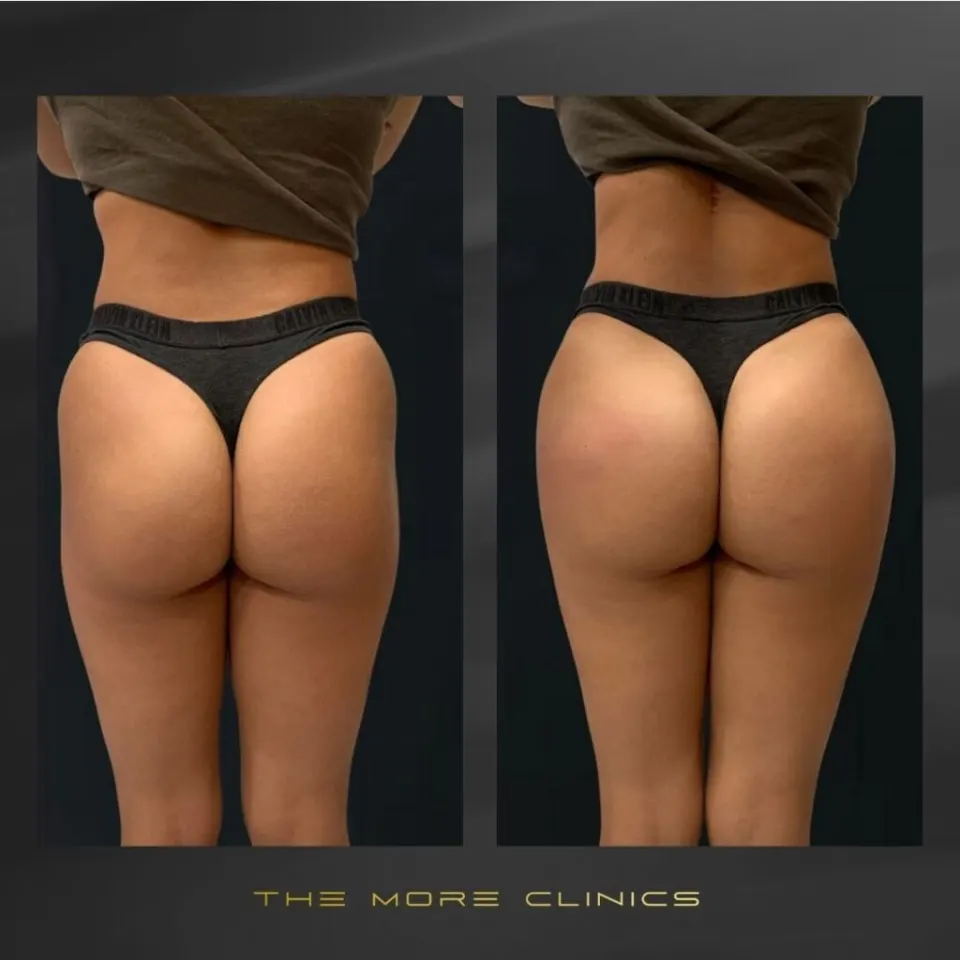
Plastic surgeons report the change clearly: patients now overwhelmingly ask for a natural, athletic look rather than maximum volume. The request has shifted from "make it as big as possible" to "make it look like I work out — like it's mine." The goal is a result that blends seamlessly with the rest of the body, fills the hip dips moderately, and looks undetectable.
The rise of the "skinny BBL"
The clearest expression of the new ideal is the skinny BBL — a subtle, athletic enhancement for patients with a lower BMI who want to improve their curves without dramatically altering their body. Two forces drove its rise: the cultural shift toward natural results, and GLP-1 weight loss, which slims the body but often causes a loss of buttock volume that patients then want to restore.
A skinny BBL isn't simply a "smaller BBL." Because thinner patients have less donor fat to harvest, there's far less margin for error, and any minor irregularity is more visible. It demands a highly skilled surgeon who can harvest and place a smaller fat volume with precision — placing it centrally over the gluteus maximus for an athletic, "worked-out" appearance. If a slim, natural result is your goal, read our dedicated skinny BBL guide.
Why some are reversing their BBLs
One of the most telling signs of the shift is the rise in BBL reductions and reversals. Public figures who once embraced dramatic curves have been documented downsizing them, sparking a wider cultural debate about whether the exaggerated-curve era is over. Surgeons confirm a growing demand for reductions that reflect a broader move toward natural, understated aesthetics.
The takeaway for anyone considering a BBL isn't "don't do it" — it's "do it for the right reasons and at the right scale." A result designed around your own proportions ages far better through changing trends than one designed to copy a specific celebrity silhouette. Patients today are also far better informed about recovery, long-term maintenance and surgical risk — which is exactly how it should be.
How to get the celebrity look — safely
If a celebrity-inspired silhouette is what drew you here, the best version of that goal in 2026 is a natural, proportionate result planned around your body. Here's how to get there safely:
- Design to your frame, not a photo. Bring reference images by all means, but the goal is a result that suits your proportions and looks natural on you.
- Choose the right procedure. A standard BBL, a skinny/athletic BBL, or — if you lack donor fat — an alternative like butt implants. The right one depends on your anatomy.
- Prioritise the surgeon, not the trend. Natural results take more skill than dramatic ones, especially in slimmer patients. Verify board certification and experience.
- Insist on the safe technique. Fat must be placed in the subcutaneous layer, above the muscle — the single most important safety factor. See our BBL safety guide.
- Understand recovery and maintenance. The result depends on aftercare and weight stability. Read our BBL recovery guide.
Frequently Asked Questions
Is the BBL trend over?
No — but it has changed dramatically. The "bigger is better" era has given way to a demand for natural, athletic results. BBLs remain popular; the aesthetic has simply shifted toward subtle, proportionate enhancement.
What is a "skinny BBL"?
A subtle, athletic enhancement for patients with a lower BMI who want to improve their curves without dramatically changing their body. It requires a highly skilled surgeon because there's less donor fat and less margin for error.
Why are some celebrities reversing their BBLs?
Aesthetic trends move quickly, and some patients who chose dramatic augmentation now prefer a more natural silhouette — often influenced by weight loss and the cultural shift toward understated results. It's a strong reminder to design a result around your own body rather than a passing trend.
Can I get a celebrity-inspired look safely?
Yes — the safest and most future-proof version is a natural result planned around your proportions by an experienced, board-certified surgeon using the subcutaneous-only technique. Chasing a specific exaggerated silhouette is what leads to regret and reversals.
Does weight loss affect BBL results?
Yes. Significant weight loss (including from GLP-1 medications) reduces buttock volume, which is one reason the skinny BBL has become popular for restoring curves after slimming down. Weight stability preserves BBL results long-term.
The Last Word from The More Clinics
The celebrity BBL trend has taught the industry an important lesson: the most beautiful, enduring results are the natural ones designed around your own body — not copies of a silhouette that may look dated in a few years. Whether you want a subtle skinny BBL or a fuller enhancement, the goal is the same: a result that looks like it's yours.
Our plastic surgeons in Antalya design each BBL around your individual proportions and goals, using the safe subcutaneous technique, and give you an honest assessment of what suits your frame. A free WhatsApp consultation is the simplest first step, in complete confidence.
Get a Free Consultation → WhatsApp Us →
Related: BBL Turkey — cost & full guide · Skinny BBL · BBL risks & safety · BBL recovery guide · Before & after gallery
Medically Reviewed by İsmail Gökhan Bacak, MD, Plastic and Reconstructive Surgeon. See Editorial Process. Last Updated: [19 August 2026]

Medical disclaimer: This article discusses cultural and aesthetic trends for informational purposes only and does not make claims about any specific individual's cosmetic procedures. It is not medical advice. Consult a qualified, board-certified plastic surgeon before making any treatment decision.
This article provides general information and does not replace an individual medical assessment, diagnosis or treatment advice. Discuss decisions about your health and treatment with your treating clinician.