Liposuction Recovery Guide: All You Need to Know
Talk to our team
In this article 14 sections
| Return to desk work | 5–7 days (most areas) |
| Return to light exercise | 3–4 weeks |
| Return to full exercise | 6–8 weeks with surgeon clearance |
| Compression garment — phase 1 | 23 hrs/day for 4 weeks |
| Compression garment — phase 2 | 12 hrs/day for weeks 4–8 |
| Swelling peaks | Days 2–4 |
| Most swelling resolved | 4–6 weeks |
| Final results visible | 3–6 months |
| Lymphatic drainage |
Start week 1–2; 5–10 sessions recommended |
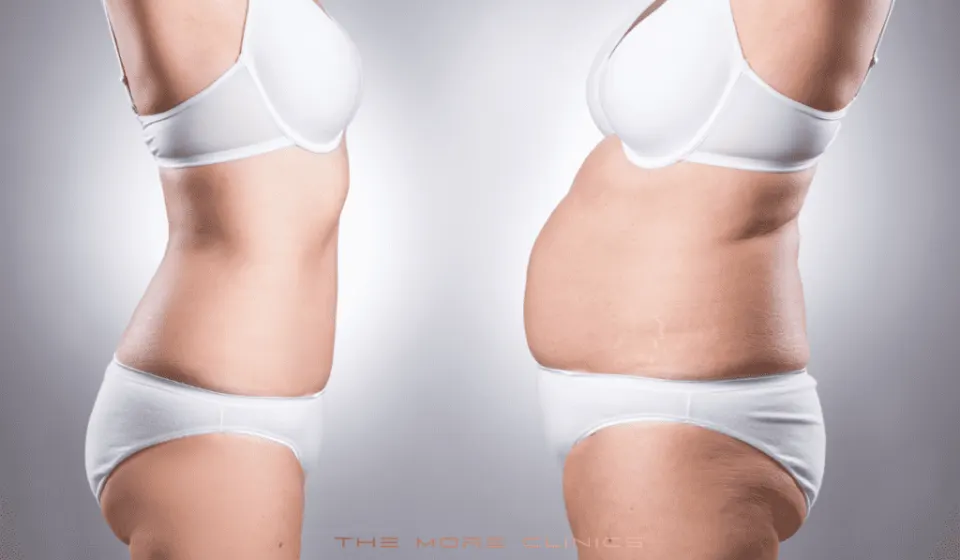
Liposuction Recovery Timeline: Day by Day, Week by Week
Recovery from liposuction is not linear — it follows a predictable pattern, but individual variation is real. What you experience on day 3 is very different from week 3 or month 3. This timeline gives you an honest, detailed picture of each stage so you know what is normal, what to do, and when to contact your surgeon.
| Stage | How you feel / look | What to do | What to avoid |
|---|---|---|---|
| Hours 0–24 Surgery day |
Groggy from anaesthesia; compression garment already fitted; fluid drainage from incision points is normal and expected — can be significant; soreness 3–5/10 | Rest; short, gentle walks begin same evening — essential for DVT prevention; take prescribed medications | Removing compression garment; showering (until surgeon clears it); any strenuous movement |
| Days 1–3 "Swell hell" |
Swelling peaks — treated areas look larger than before surgery; bruising prominent; soreness peaks day 2 then gradually reduces; fluid continues draining; area feels hard and tight | Short walks every 2–3 hours; stay hydrated; rest with treated area elevated where possible; shower usually cleared day 2–3 | Driving; lifting; alcohol; NSAIDs (aspirin, ibuprofen) unless surgeon prescribed; removing garment for extended periods |
| Days 3–7 Week 1 |
Swelling stable then beginning to reduce; bruising starting to yellow and fade; pain largely replaced by tightness and soreness; area feels firm and lumpy under the skin — this is normal | Gentle daily walks 15–30 min; desk work possible from day 5–7; lymphatic drainage massage can begin from day 5–7 (certified therapist only) | Gym; swimming; driving if on prescription pain medication; heavy lifting |
| Week 1–2 | Significant improvement in pain; bruising mostly resolved; swelling still prominent but reducing; skin may feel numb or hypersensitive — both are normal; lumpy, uneven texture under skin is normal at this stage | Full desk work; light daily activities; continue lymphatic drainage sessions; compression garment 23 hrs/day | Exercise beyond walking; baths or swimming; sun exposure on incision areas |
| Week 2–4 | Swelling reducing noticeably; new body contour beginning to emerge; skin tightening process underway; some areas may still feel firm or ropey (early fibrosis — see section below); energy largely returned | Light exercise — walking, gentle cycling; most normal daily activities; continue lymphatic massage; scar gel on healed incision points | High-impact exercise; heavy lifting; long-haul flights without medical clearance |
| Week 4–6 | Most patients cleared for moderate exercise; compression garment moved to phase 2 (12 hrs/day); significant visible improvement; some residual swelling still present — worsens in heat and after long days; skin continues to tighten and conform | Moderate cardio; light weights with surgeon clearance; swimming from week 5–6; continue phase 2 compression | Heavy resistance training; high-impact exercise without specific clearance |
| Month 2–3 | 80–90% of swelling resolved; body contour clearly visible; skin retraction ongoing; any remaining firmness or uneven texture generally resolving; most patients no longer need compression | Full exercise programme; all normal activities; maintain stable weight; continue massaging any firm areas | Significant weight gain — results are weight-dependent long-term |
| Month 3–6 | Swelling fully resolved; final result clearly visible; skin fully retracted (if elasticity was adequate); incision points barely visible; any residual numbness or hypersensitivity usually resolved | Assess final result; follow-up with surgeon if any concerns; consider additional treatments if desired | No restrictions |
Recovery by Body Area: How Long Each Area Takes
Liposuction can be used to contour in most areas of body or face such as: abdomen, flanks, arms, hips, thighs, and face (such as chin liposuction or jowls). Recovery timelines vary depending on which area was treated. Larger areas with more fat removed, or areas that experience more movement in daily life, typically take longer to settle.
| Body area | Desk work return | Exercise return | Final result | Area-specific notes |
|---|---|---|---|---|
| Abdomen / flanks | 5–7 days | 4–6 weeks | 3–6 months | Swelling often gravitates downward toward the pubic area; sleeping on back recommended early |
| Thighs (inner/outer) | 5–7 days | 4–6 weeks | 3–6 months | Walking can be uncomfortable initially; swelling gravitates to knees in early weeks |
| Arms | 5–7 days | 3–4 weeks (upper body: 6 weeks) | 3–4 months | Compression sleeve; arms involved in many daily movements — conscious restriction needed |
| Back / bra roll | 5–7 days | 4–6 weeks | 3–6 months | Sleeping position affects swelling; back brace may be more comfortable than standard garment initially |
| Chin / neck (chin lipo) | 3–5 days | 2–3 weeks | 2–3 months | Chin strap compression; sleeping elevated (head above chest) reduces swelling significantly; smaller area means faster recovery |
| Multiple areas (360° lipo) | 7–10 days | 6–8 weeks | 4–6 months | Recovery demands are cumulative; more total swelling, more fatigue, longer compression requirement; lymphatic drainage particularly important |
Compression Garment: The Most Important Part of Your Liposuction Recovery
Compression garment wear is not optional after liposuction. It is the single most impactful thing you can do to influence your result, reduce complications, and minimise recovery time. Most patients underestimate how important this is — and some find out the hard way that non-compliance leads to uneven results, prolonged swelling, or increased fibrosis risk.
Why Compression Matters
- Reduces swelling: Compression limits fluid accumulation in the space left by removed fat cells
- Supports skin retraction: Holds skin against the new underlying contour as it heals and tightens
- Reduces seroma risk: Minimises dead space where fluid can pool
- Reduces fibrosis risk: Consistent gentle pressure helps prevent the excessive scar tissue formation that causes hard, uneven areas
- Shapes the final contour: The garment literally helps define what your result looks like
Compression Schedule
| Phase | Timeframe | Wear schedule | Garment type |
|---|---|---|---|
| Phase 1 | Weeks 1–4 | 23 hours per day — remove only to shower | Firm, medical-grade compression (provided by clinic) |
| Phase 2 | Weeks 4–8 | 12 hours per day — typically during the day; off at night | Lighter compression; often a commercial shapewear-grade garment |
| Phase 3 (if needed) | Months 2–6 | As needed for comfort or when significant swelling occurs (after exercise, heat, long days) | Light compression or supportive shapewear |
Practical tip: Buy two Phase 1 garments so you can wash one while wearing the other. Most patients underestimate how quickly garments become uncomfortable from fluid drainage in the first week — having a spare makes compliance significantly easier.
Lymphatic Drainage Massage After Liposuction: Why It Matters
Manual lymphatic drainage (MLD) is one of the most beneficial additions to liposuction recovery — and one of the most underutilised. It is not a luxury massage. It is a specific clinical technique that significantly affects both your recovery speed and your final result.
What It Does
Liposuction disrupts the local lymphatic vessels — the network of channels that drain excess fluid from tissue. When these are disturbed, fluid accumulates, causing the pronounced swelling of the post-operative period. Lymphatic drainage massage uses gentle, directed pressure to stimulate the lymphatic system, accelerating the removal of this excess fluid. Studies and clinical experience consistently show that patients who undergo regular MLD sessions recover faster, have less prolonged swelling, and have lower rates of seroma and fibrosis compared to those who do not.
When to Start
Most surgeons recommend beginning MLD at 5–7 days post-surgery, once the initial acute inflammatory phase has passed. Starting too early (in the first 2–3 days) can theoretically increase fluid movement before the tissues have stabilised. Starting too late misses the window when drainage is most beneficial.
How Many Sessions
A typical course is 5–10 sessions in the first 4–6 weeks post-surgery, spaced every 2–4 days initially, then weekly. Patients with higher-volume liposuction, multiple areas treated, or slower initial recovery may benefit from more sessions. Sessions should be performed by a therapist certified in manual lymphatic drainage — not standard deep tissue massage, which can damage healing tissue.
At The More Clinics, lymphatic drainage sessions can be arranged during your Turkey recovery stay. Your personal treatment assistant can coordinate this as part of your post-operative schedule before you return home.
Fibrosis and Seroma: What They Are and How to Prevent Them
These are the two most common post-liposuction complications that patients are not adequately warned about — and both are significantly influenced by what you do during recovery.
Fibrosis (Hard Lumps and Uneven Texture)
Post-liposuction fibrosis is the development of excessive scar tissue in the treated area. It presents as hard, lumpy, or ropey areas under the skin — different from normal early-stage firmness, which resolves on its own. Fibrosis can cause visible unevenness or dimpling in the final result if not managed.
Why it happens: When fat cells are removed, the body fills the space with collagen as part of the healing process. In some patients, excess collagen is produced — this is fibrosis. It is more likely when compression garment wear is inconsistent, lymphatic drainage is not performed, and when patients return to strenuous activity too early.
Prevention: Consistent compression garment wear, regular MLD massage, and adherence to activity restrictions in the first 4–6 weeks are the most effective preventive measures.
Treatment if it develops: Additional manual lymphatic drainage targeted at the fibrotic areas, ultrasound therapy (performed by a physiotherapist or aesthetician), radiofrequency treatment, and in some cases corticosteroid injections. Fibrosis that develops within the first 6 months should be addressed early — it becomes harder to treat once established.
Seroma (Fluid Pockets)
A seroma is a collection of lymphatic fluid that accumulates in the space left by removed fat cells. It presents as a soft, fluid-filled swelling — sometimes painless, sometimes mildly tender — that develops days to weeks after surgery.
Prevention: Compression garment wear reduces seroma risk by eliminating the dead space where fluid accumulates. Avoiding strenuous activity in the early weeks also helps. MLD sessions promote fluid drainage and reduce seroma risk.
Treatment: Small seromas often reabsorb without intervention over weeks. Larger seromas require aspiration — a needle withdrawal of the fluid, performed at a follow-up appointment. This is a straightforward procedure and not a sign of surgical failure. If you develop a new, soft swelling that was not present in the first days after surgery, contact your surgeon promptly.
When to Contact Your Surgeon: Red Flags vs Normal Recovery
Most liposuction recovery symptoms are normal and expected. Knowing the difference between normal healing and a sign that something needs attention prevents unnecessary anxiety — and ensures you act promptly when it actually matters.
| Symptom | Normal | Contact surgeon |
|---|---|---|
| Swelling, especially in first 2 weeks | ✅ | — |
| Bruising for 2–3 weeks | ✅ | — |
| Fluid drainage from incision sites (day 1–5) | ✅ | — |
| Numbness or hypersensitivity in treated area | ✅ | — |
| Firm, lumpy areas under skin (weeks 2–6) | ✅ usually | If worsening after week 6 |
| Temporary asymmetry (one side more swollen) | ✅ | If persists beyond 3 months |
| Swelling that worsens in heat or after exercise | ✅ (months 1–3) | — |
| Fever above 38.5°C / 101.3°F | — | ⚠️ Promptly |
| Increasing warmth, redness, or pus at incision site | — | ⚠️ Promptly |
| New soft swelling appearing weeks after surgery | — | ⚠️ Possible seroma |
| Calf pain, leg swelling, or shortness of breath | — | ⚠️ Emergency — DVT/PE risk |
| Dramatically uneven result after 6 months | — | ⚠️ Revision assessment |
Last Words from The More Clinics
Liposuction recovery is a process that involves swelling reduction, bruising resolution, and a gradual return to normal activities. By following your surgeon's instructions and adopting a healthy lifestyle, you can enjoy the long-term benefits of this popular cosmetic procedure.
At The More Clinics, we are committed to supporting your liposuction recovery journey. Our experienced medical team is available to address your questions and concerns, ensuring a smooth and successful recovery process.
The More Clinics is a healthcare platform that uses doctor matching, verified reviews, and complication protection to connect patients with vetted cosmetic surgeon and reconstructive surgery specialists in countries like Turkey, UAE, India, Hungary, Poland, Mexico, and Thailand. Contact us today to book a Free Consultation or Free Treatment Assistance.
Liposuction Recovery — Frequently Asked Questions
How long does liposuction recovery take?
Most patients return to desk work within 5–7 days. Light exercise is typically cleared at 3–4 weeks and full exercise at 6–8 weeks. Final results — the true outcome with all swelling resolved and skin fully retracted — are visible at 3–6 months. Recovery is not a single event; it is a gradual process across several months.
When does the swelling go down after liposuction?
Swelling peaks at days 2–4, then gradually reduces. The majority of swelling resolves by weeks 4–6. Some residual swelling — particularly in heat, after exercise, or at the end of a long day — can persist for 3–6 months. This is normal and not a cause for concern. Final results should not be evaluated before the 3-month mark.
Is liposuction recovery painful?
Most patients describe the post-operative experience as soreness and tightness — similar to a deep bruise — rather than sharp pain. Pain peaks at day 2 and reduces significantly by the end of the first week. Prescribed medication manages it effectively during the first few days; most patients transition to over-the-counter pain relief by day 5–7.
How long do I wear the compression garment after liposuction?
Phase 1 (firm compression, 23 hours per day): weeks 1–4. Phase 2 (lighter compression, 12 hours per day): weeks 4–8. Some patients continue wearing a supportive garment intermittently beyond 8 weeks for comfort, particularly during exercise or in hot weather. Your surgeon will advise on your specific timeline based on your areas treated and healing progress.
Can I sleep without the compression garment?
No — not in phase 1 (weeks 1–4). The garment should be worn 23 hours per day, removed only to shower. Some patients find sleeping in the garment uncomfortable at first; a slightly looser fitting second garment for sleep can help. After week 4, most patients transition to the lighter phase 2 garment which is more comfortable for sleeping.
When can I exercise after liposuction?
Gentle walking begins on the day of surgery — essential for DVT prevention. Light cardio (brisk walking, gentle cycling) typically starts at 3–4 weeks. More vigorous exercise — swimming, running, weights — waits until 6–8 weeks with specific surgeon clearance. Returning to exercise too early increases swelling, seroma risk, and can compromise your result.
When can I fly after liposuction?
For short-haul flights (under 4 hours), most surgeons clear patients at 5–7 days. For long-haul flights (over 6 hours), 10–14 days is typically recommended, along with compression stockings and frequent movement during the flight. Flying increases DVT risk after surgery — do not fly before receiving specific clearance from your surgeon based on your individual healing progress.
When can I shower after liposuction?
Most surgeons clear patients to shower at 24–48 hours post-surgery, once initial drainage has reduced. The incision sites should be kept clean but not submerged — no baths, pools, or swimming until wounds are fully healed (typically 4–6 weeks). Your surgeon will give specific wound care instructions at discharge.
Why does my skin feel numb after liposuction?
Numbness in the treated area is normal and expected — liposuction disrupts local nerve endings in the subcutaneous tissue. Sensation returns progressively as nerves regenerate, typically over 3–6 months. Some patients also experience temporary hypersensitivity (the opposite of numbness) — this is equally normal and resolves with time.
Why does my skin feel lumpy and uneven after liposuction?
Lumpy, uneven texture under the skin is extremely common in the first 4–8 weeks and does not indicate a poor result. It is caused by uneven swelling, early scar tissue formation, and the skin adapting to the new underlying volume. For most patients it resolves progressively with continued compression and lymphatic drainage massage. If firmness persists beyond 3–4 months, discuss this with your surgeon — targeted treatment for fibrosis may be recommended.
What is fibrosis after liposuction and how is it treated?
Post-liposuction fibrosis is excessive scar tissue formation in the treated area — presenting as hard, firm, or ropey areas that feel different from the surrounding tissue. It is more likely when compression garment wear is inconsistent, lymphatic drainage is not performed, and when patients are very active too early. Treatment includes targeted lymphatic drainage, ultrasound therapy, radiofrequency treatment, and in resistant cases corticosteroid injections. Early treatment (within the first 3–6 months) is significantly more effective than waiting.
Can liposuction results be permanent?
The fat cells removed during liposuction are gone permanently — they do not return. However, remaining fat cells in the treated area can enlarge with significant weight gain. Maintaining a stable weight through consistent diet and exercise preserves your result long-term. Liposuction is a body contouring procedure, not a weight loss tool — results are most durable in patients who were close to their target weight before surgery.
Why does swelling get worse in the evening or after exercise?
This is completely normal for several months after liposuction. Gravity causes fluid to migrate downward during upright activity, and increased blood flow during exercise temporarily increases swelling. This phenomenon — sometimes called "diurnal swelling" — is most pronounced in the first 3 months and gradually improves. Wearing your compression garment during exercise and elevating the treated area when resting helps manage it.
What foods and supplements should I avoid during recovery?
Avoid alcohol for at least 2 weeks — it dilates blood vessels and increases swelling. Avoid high-sodium foods — salt causes the body to retain more fluid, worsening swelling. Avoid NSAIDs (ibuprofen, aspirin) unless specifically prescribed by your surgeon — they increase bleeding risk. Avoid smoking — it constricts blood vessels, reduces oxygen delivery to healing tissue, and significantly impairs wound healing. Foods and supplements with vitamin C and protein support healing and are actively beneficial.
Will liposuction leave scars?
Liposuction leaves very small scars at the cannula insertion points — typically 3–5mm. These are placed in natural skin folds or creases where they are naturally concealed. They fade progressively over 12–18 months with consistent care (silicone gel, sun protection) to barely visible marks in most patients. This is one of the major advantages of liposuction over excisional procedures.
When can I have a massage after liposuction?
Manual lymphatic drainage (MLD) can begin at approximately 5–7 days post-surgery and is actively recommended. Standard deep tissue massage or sports massage should wait until at least 3–4 months, when healing is substantially complete. Applying deep pressure to healing liposuction areas can cause additional trauma, increased bruising, and worsen fibrosis. Always ensure your therapist is specifically trained in post-surgical lymphatic drainage.
How can I speed up my liposuction recovery?
The most impactful actions: wear your compression garment consistently and without shortcuts; begin gentle walking from day one; start lymphatic drainage massage at week 1–2 and attend regular sessions; avoid alcohol, smoking, and high-sodium foods; stay well hydrated; sleep enough; and resist the urge to return to strenuous exercise before your surgeon clears you. None of these individually speeds recovery dramatically — but following all of them together produces meaningfully faster, smoother healing compared to non-compliance.
This article provides general information and does not replace an individual medical assessment, diagnosis or treatment advice. Discuss decisions about your health and treatment with your treating clinician.